Anna Weyant: Baby, It Ain’t Over Till It’s Over
Novelist Emma Cline traces the boundaries between terror and hilarity in Anna Weyant’s new paintings.
Installation video
Installation view
Artwork © Anna Weyant. Photo: Rob McKeever
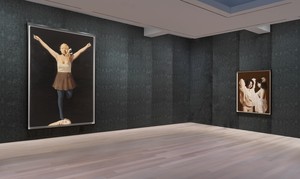
Installation view
Artwork © Anna Weyant. Photo: Rob McKeever
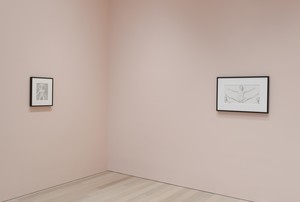
Installation view
Artwork © Anna Weyant. Photo: Rob McKeever
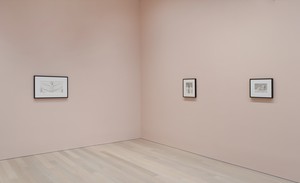
Installation view
Artwork © Anna Weyant. Photo: Rob McKeever
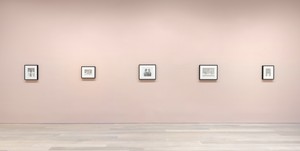
Installation view
Artwork © Anna Weyant. Photo: Rob McKeever
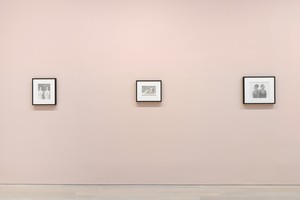
Installation view
Artwork © Anna Weyant. Photo: Rob McKeever
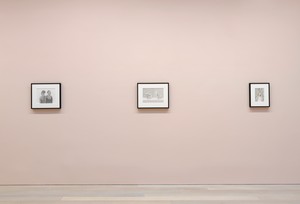
Installation view
Artwork © Anna Weyant. Photo: Rob McKeever
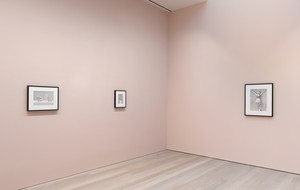
Installation view
Artwork © Anna Weyant. Photo: Rob McKeever
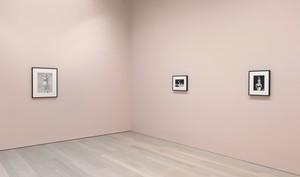
Installation view
Artwork © Anna Weyant. Photo: Rob McKeever
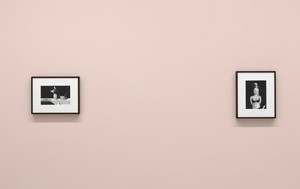
Installation view
Artwork © Anna Weyant. Photo: Rob McKeever
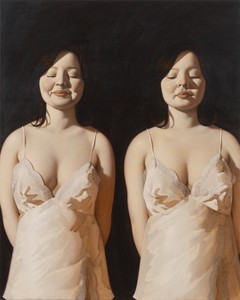
Anna Weyant
Two Eileens, 2022
Oil on canvas, 60 ⅛ × 48 ⅛ inches (152.7 × 122.2 cm)
© Anna Weyant. Photo: Rob McKeever
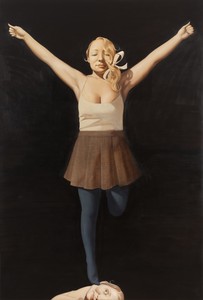
Anna Weyant
Sophie, 2022
Oil on canvas, 113 × 76 ¾ inches (287 × 194.9 cm)
© Anna Weyant. Photo: Rob McKeever
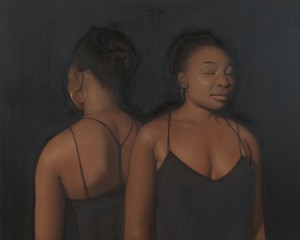
Anna Weyant
Venus, 2022
Oil on canvas, 48 × 60 ⅜ inches (121.9 × 153.4 cm)
© Anna Weyant. Photo: Rob McKeever
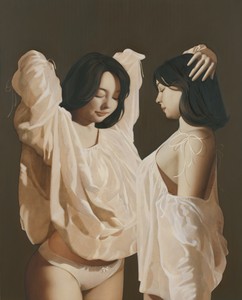
Anna Weyant
Eileen, 2022
Oil on canvas, 60 ⅛ × 48 ¼ inches (152.7 × 122.6 cm)
© Anna Weyant. Photo: Rob McKeever
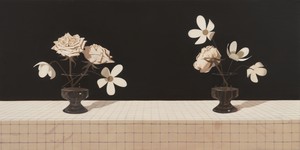
Anna Weyant
It Must Have Been Love, 2022
Oil on canvas, 30 × 60 ¼ inches (76.2 × 153 cm)
© Anna Weyant. Photo: Rob McKeever
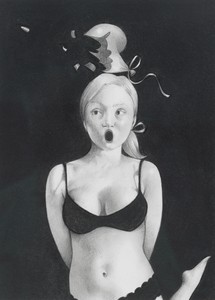
Anna Weyant
Drawing for Sweet Painted Lady, 2021
Pencil and charcoal on paper, 11 × 8 inches (27.9 × 20.3 cm)
© Anna Weyant. Photo: Rob McKeever
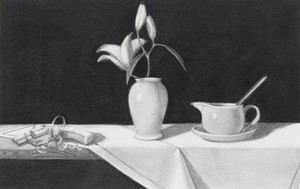
Anna Weyant
Drawing for Lily, 2021
Pencil and charcoal on paper, 7 ½ × 11 ½ inches (18.9 × 29.2 cm)
© Anna Weyant. Photo: Rob McKeever
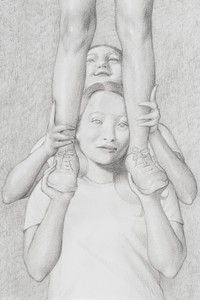
Anna Weyant
Drawing for Cheerleaders, 2021
Pencil on paper, 9 × 6 ⅛ inches (22.9 × 15.4 cm)
© Anna Weyant. Photo: Rob McKeever
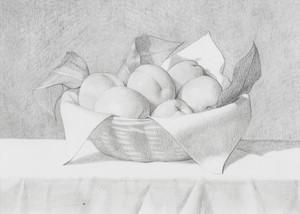
Anna Weyant
Drawing for Peaches, 2021
Pencil on paper, 6 ½ × 9 inches (16.5 × 22.9 cm)
© Anna Weyant. Photo: Rob McKeever
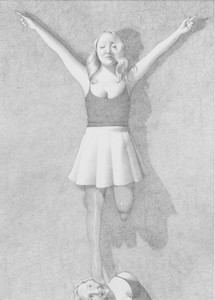
Anna Weyant
Drawing for Sophie, 2021
Pencil on paper, 19 ⅜ × 14 inches (49.2 × 35.4 cm)
© Anna Weyant. Photo: Rob McKeever
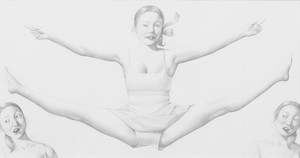
Anna Weyant
Drawing for Jump, 2021–22
Pencil on paper, 10 ¾ × 20 inches (27.1 × 50.8 cm)
© Anna Weyant. Photo: Rob McKeever
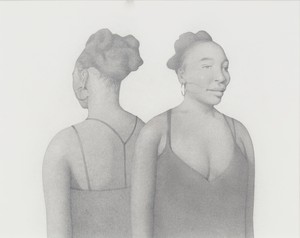
Anna Weyant
Drawing for Venus, 2022
Pencil on paper, 11 × 15 inches (27.9 × 38.1 cm)
© Anna Weyant. Photo: Rob McKeever
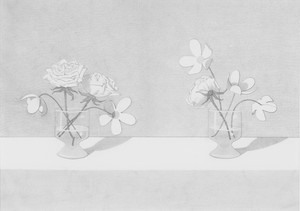
Anna Weyant
Drawing for It Must Have Been Love, 2022
Pencil on paper, 10 × 14 inches (25.2 × 35.4 cm)
© Anna Weyant. Photo: Rob McKeever
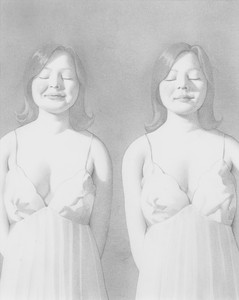
Anna Weyant
Drawing for Two Eileens, 2022
Pencil on paper, 10 ⅛ × 8 ⅛ inches (25.6 × 20.5 cm)
© Anna Weyant. Photo: Rob McKeever
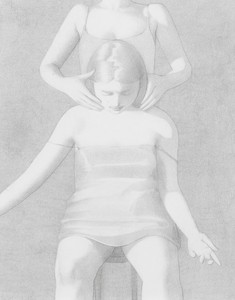
Anna Weyant
Drawing for Emma, 2022
Pencil on paper, 10 ¼ × 8 ⅛ inches (25.9 × 20.6 cm)
© Anna Weyant. Photo: Rob McKeever
Mark Twain said something about humor being “tragedy plus time.” If there’s humor in my work, it probably goes hand in hand with some sort of weird misery.
—Anna Weyant
Gagosian is pleased to present an exhibition of new paintings and drawings by Anna Weyant in New York. This is her first exhibition with the gallery, which announced its representation of the artist in May.
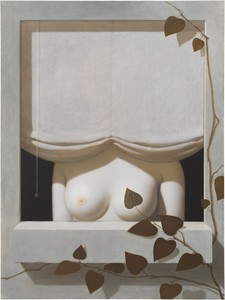
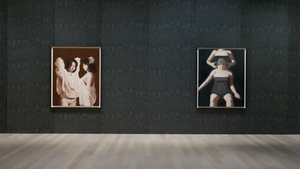
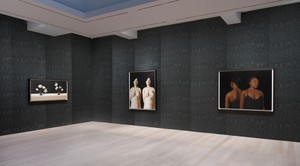
Baby, It Ain’t Over Till It’s Over features seven new paintings along with ten new drawings. The exhibition, which sees Weyant further develop the aesthetics and themes of her previous work, takes its title from a song by Lenny Kravitz—which in turn repeats Yogi Berra’s aphorism—and riffs in self-aware fashion on popular expectations of a young artist’s career trajectory. Many of the exhibited portraits depict the same figure in two slightly different poses, suggesting subtly divergent aspects of the same persona and making reference to the biblical doubled image. The paintings hang on a lush green velvet backdrop, supplied by design house F. Schumacher & Co., which resonates with the images’ hint of camp theatricality.
Weyant’s precisely rendered figures often find themselves embroiled in tragicomic narratives, while her everyday objects adopt an eerie, portentous air. In both cases, she employs a keen ironic wit to evoke myriad idiosyncrasies and contradictions. Drawing on a range of historical and contemporary influences, Baby, It Ain’t Over Till It’s Over examines aspects of an American milieu and media landscape, the subjects of which are displayed with an exactitude and intensity that is at once oneiric and all-too-real.
Novelist Emma Cline traces the boundaries between terror and hilarity in Anna Weyant’s new paintings.

Anna Weyant’s first solo institutional exhibition, at the Museo Nacional Thyssen-Bornemisza, Madrid, was curated by Guillermo Solana in close collaboration with the artist, and places more than twenty paintings by Weyant in dialogue with a selection of works from the museum’s permanent collection. Sydney Stutterheim considers the artist’s contemporary exploration of suspense, identity, concealment, and temporality.
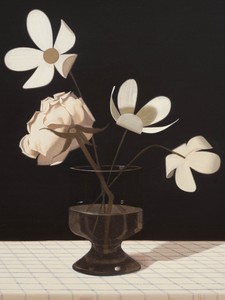
Inspired by Anna Weyant’s still lifes, John Elderfield explores the genre and its relationship with trompe l’oeil techniques, tracking its formal development, as well as the evolving critical receptions it has elicited.
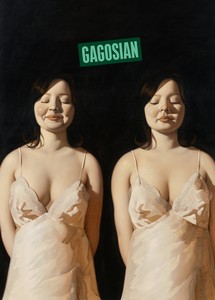
The Winter 2022 issue of Gagosian Quarterly is now available, featuring Anna Weyant’s Two Eileens (2022) on its cover.