
Now available
Gagosian Quarterly Summer 2025
The Summer 2025 issue of Gagosian Quarterly is now available, featuring Pablo Picasso’s Nu accoudé (1961) on the cover.
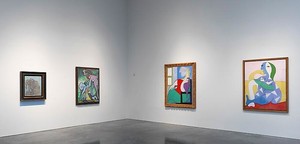
Installation view
Artwork © 2011 Estate of Pablo Picasso/Artists Rights Society (ARS), New York. Photo: Rob McKeever
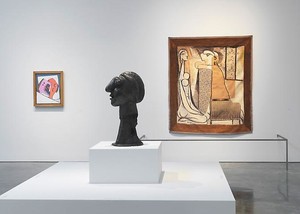
Installation view
Artwork © 2011 Estate of Pablo Picasso/Artists Rights Society (ARS), New York. Photo: Rob McKeever
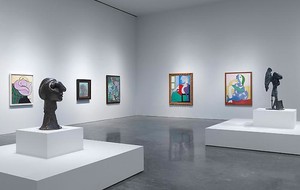
Installation view
Artwork © 2011 Estate of Pablo Picasso/Artists Rights Society (ARS), New York. Photo: Rob McKeever
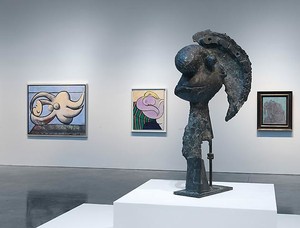
Installation view
Artwork © 2011 Estate of Pablo Picasso/Artists Rights Society (ARS), New York. Photo: Rob McKeever
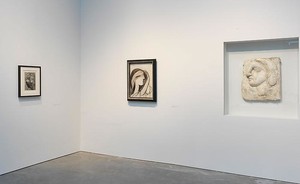
Installation view
Artwork © 2011 Estate of Pablo Picasso/Artists Rights Society (ARS), New York. Photo: Rob McKeever
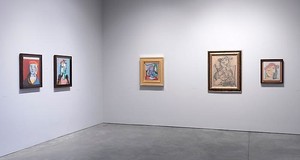
Installation view
Artwork © 2011 Estate of Pablo Picasso/Artists Rights Society (ARS), New York. Photo: Rob McKeever
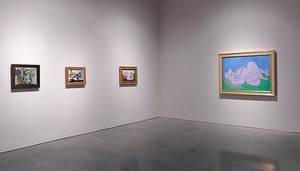
Installation view
Artwork © 2011 Estate of Pablo Picasso/Artists Rights Society (ARS), New York. Photo: Rob McKeever
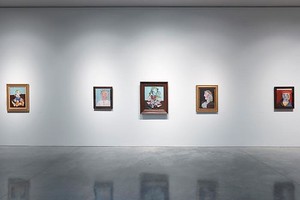
Installation view
Artwork © 2011 Estate of Pablo Picasso/Artists Rights Society (ARS), New York. Photo: Rob McKeever
Installation view
Artwork © 2011 Estate of Pablo Picasso/Artists Rights Society (ARS), New York. Photo: Rob McKeever
Installation view
Artwork © 2011 Estate of Pablo Picasso/Artists Rights Society (ARS), New York. Photo: Rob McKeever
Installation view
Artwork © 2011 Estate of Pablo Picasso/Artists Rights Society (ARS), New York. Photo: Rob McKeever
Installation view
Artwork © 2011 Estate of Pablo Picasso/Artists Rights Society (ARS), New York. Photo: Rob McKeever
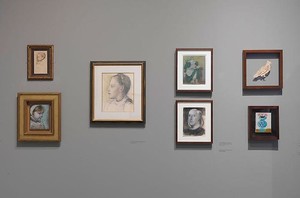
Installation view
Artwork © 2011 Estate of Pablo Picasso/Artists Rights Society (ARS), New York. Photo: Rob McKeever
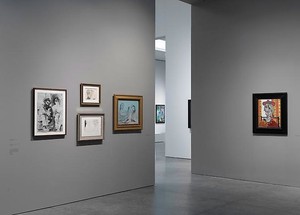
Installation view
Artwork © 2011 Estate of Pablo Picasso/Artists Rights Society (ARS), New York. Photo: Rob McKeever
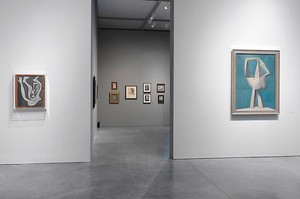
Installation view
Artwork © 2011 Estate of Pablo Picasso/Artists Rights Society (ARS), New York. Photo: Rob McKeever
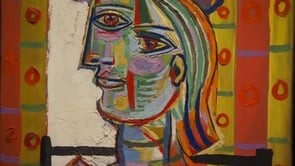
Installation video
You have an interesting face. I would like to do your portrait. I have a feeling we will do great things together.
—Pablo Picasso
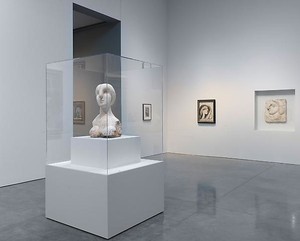
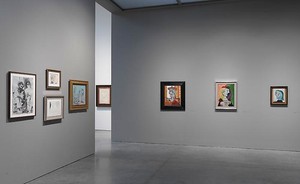
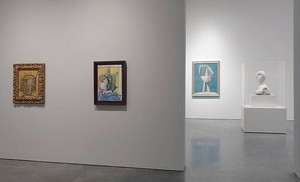
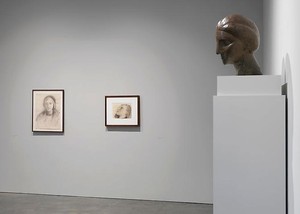
Following the critical and popular success of Picasso: Mosqueteros in New York in 2009 and Picasso: The Mediterranean Years in London in 2010, Gagosian is pleased to present the next chapter in an ongoing exploration of Picasso’s principal themes. Picasso and Marie-Thérèse: L’amour fou brings together the paintings, drawings, sculptures, and prints inspired by one of Picasso’s most ideal models and enduring passions. The exhibition is curated by the eminent Picasso biographer, John Richardson, together with Marie-Thérèse’s granddaughter, art historian Diana Widmaier Picasso, who is currently preparing a catalogue raisonné of Picasso’s sculptures.
In 1927, on a street in Paris, Picasso encountered the unassuming girl, just shy of eighteen years old, who would become his lover and one of modern art’s most famous muses. “I am Picasso,” he announced. The name meant nothing to Marie-Thérèse so he took her to a bookshop to show her a monograph of his paintings and asked if he could see her again. Flattered and curious, she agreed, and thus began a secret love affair that would establish Marie-Thérèse as the primary inspiration for Picasso’s most daring aesthetic experiments in the decade to come.
More than any other woman that Picasso desired and painted, Marie-Thérèse, with her statuesque body and strong, pure profile, fueled his imagination with a luminous dream of youth. Although her first appearances in his work were veiled references with her initials forming spare linear compositions, such as in the earliest work in the exhibition, Guitare à la main blanche (1927), the arrival of the blond goddess’s likeness in his art announced a new love in his life. In portrayals, Picasso would stretch her robust athletic form to new extremes, metamorphosing her in endlessly inventive ways. She became the catalyst for some of his most exceptional work, from groundbreaking paintings to an inspired return to sculpture in the 1930s, according her an almost mythic stature and earning her immortality as an art-historical subject. Yet her true identity remained a secret from even Picasso’s closest friends. Even after Marie-Thérèse bore their daughter Maya in 1935, Picasso would continue to divide his time between his professional life as the most famous artist in the world, and his secret family life, spending Thursdays and weekends with her and Maya and amassing a trove of love letters and snapshots exchanged while they were apart.
The Summer 2025 issue of Gagosian Quarterly is now available, featuring Pablo Picasso’s Nu accoudé (1961) on the cover.

On April 18, the exhibition Picasso: Tête-à-tête opened at Gagosian, New York. Including works from 1896 to 1972, the full span of the artist’s career, the show is presented in partnership with Paloma Picasso, the artist’s daughter. Here, Michael Cary, one of the organizers of the exhibition, traces the historical precedents that informed the conversational nature of the curation. He also introduces a translation of a 1932 interview with Picasso by the publisher and critic E. Tériade, often quoted in English in part but not in full.
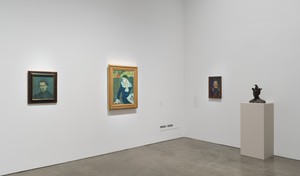
Join president of the Picasso Museum, Paris, Cécile Debray; curator, writer, biographer, and historian Annie Cohen-Solal; art historian Vérane Tasseau; and Gagosian director Serena Cattaneo Adorno as they discuss A Foreigner Called Picasso. Organized in association with the Musée national Picasso–Paris and the Palais de la Porte Dorée–Musée national de l’histoire de l’immigration, Paris, the exhibition reframes our perception of Picasso and focuses on his status as a permanent foreigner in France.
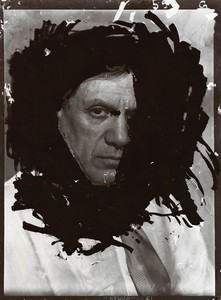
Cocurator of the exhibition A Foreigner Called Picasso, at Gagosian, New York, Annie Cohen-Solal writes about the genesis of the project, her commitment to the figure of the outsider, and Picasso’s enduring relevance to matters geopolitical and sociological.
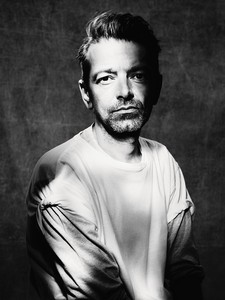
Pieter Mulier, creative director of Alaïa, presented his second collection for the legendary house in Paris in January 2022. After the presentation, Mulier spoke with Derek Blasberg about the show’s inspirations, including a series of ceramics by Pablo Picasso, and about his profound reverence for the intimacy and artistry of the atelier.
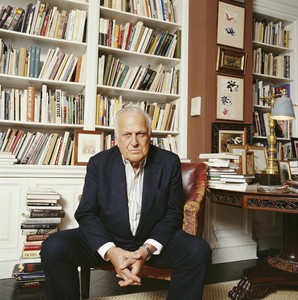
Pepe Karmel celebrates the release of A Life of Picasso IV: The Minotaur Years, 1933–1943, the final installment of Sir John Richardson’s magisterial biography.
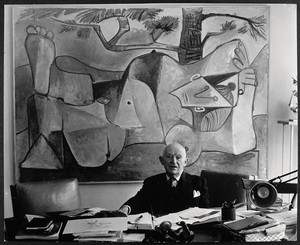
Michael Cary pays homage to the visionary dealer Daniel-Henry Kahnweiler (1884–1979).
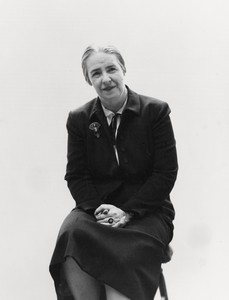
Berit Potter pays homage to the ardent museum leader who transformed San Francisco’s relationship to modern art.
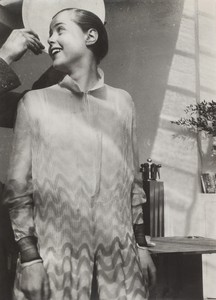
Inspired by a visit to the Fondation Louis Vuitton’s exhibition Charlotte Perriand: Inventing a New World, William Middleton explores the life of this modernist pioneer and her impact on the worlds of design, art, and architecture.
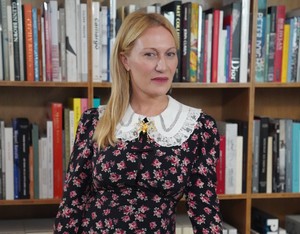
Diana Widmaier-Ruiz-Picasso curated an exhibition at Gagosian, Paris, in 2017–18 titled Picasso and Maya: Father and Daughter. To celebrate the exhibition, a publication was published in 2019; the comprehensive reference publication explores the figure of Maya Ruiz-Picasso, Pablo Picasso’s beloved eldest daughter, throughout Picasso’s work and chronicles the loving relationship between the artist and his daughter. In this video, Widmaier-Ruiz-Picasso details her ongoing interest in the subject and reflects on the process of making the book.
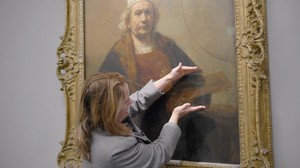
Jenny Saville reveals the process behind her new self-portrait, painted in response to Rembrandt’s masterpiece Self-Portrait with Two Circles.
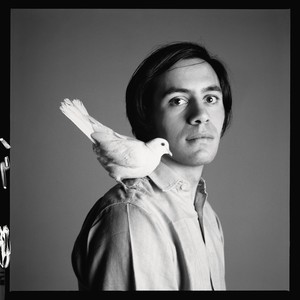
Picasso biographer Sir John Richardson sits down with Claude Picasso to discuss Claude’s photography, his enjoyment of vintage car racing, and the future of scholarship related to his father, Pablo Picasso.
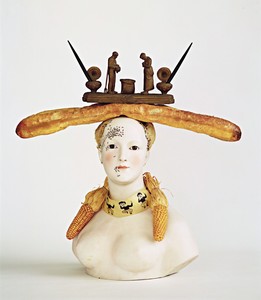
Mary Ann Caws and Charles Stuckey discuss the presence of food and the dining table in the history of modern art.
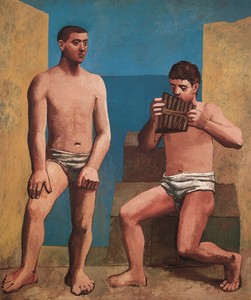
Celebrating the one hundred-year anniversary of Picasso’s first trip to Italy, the Scuderie del Quirinale in Rome is hosting the exhibition Picasso: Tra cubismo e classicismo 1915–1925, a grand presentation of two hundred works by the artist.

Diana Widmaier Picasso, curator of the exhibition Desire, reflects on the history of eroticism in art.
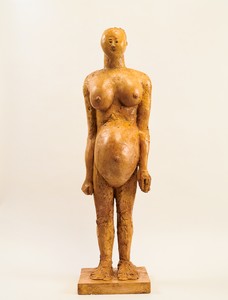
The story behind the sculpture that Diana Widmaier Picasso highlighted in Picasso’s Picassos: A Selection from the Collection of Maya Ruiz-Picasso.
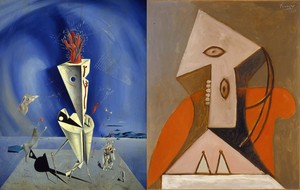
Known influencers, but did they influence each other?


