
Now available
Gagosian Quarterly Summer 2025
The Summer 2025 issue of Gagosian Quarterly is now available, featuring Pablo Picasso’s Nu accoudé (1961) on the cover.
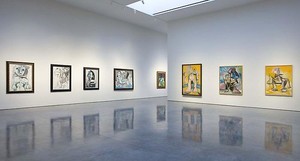
Installation view
Artwork © 2009 Estate of Pablo Picasso/Artists Rights Society (ARS), New York
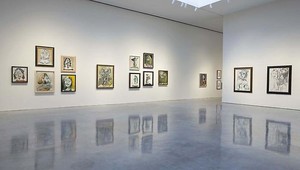
Installation view
Artwork © 2009 Estate of Pablo Picasso/Artists Rights Society (ARS), New York
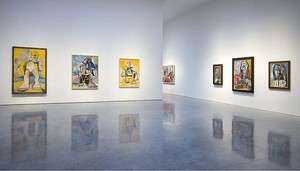
Installation view
Artwork © 2009 Estate of Pablo Picasso/Artists Rights Society (ARS), New York
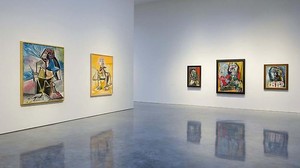
Installation view
Artwork © 2009 Estate of Pablo Picasso/Artists Rights Society (ARS), New York
Installation view
Artwork © 2009 Estate of Pablo Picasso/Artists Rights Society (ARS), New York
Installation view
Artwork © 2009 Estate of Pablo Picasso/Artists Rights Society (ARS), New York
Installation view
Artwork © 2009 Estate of Pablo Picasso/Artists Rights Society (ARS), New York
Installation view
Artwork © 2009 Estate of Pablo Picasso/Artists Rights Society (ARS), New York
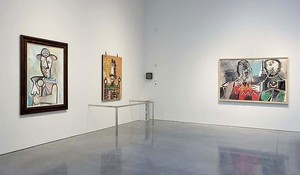
Installation view
Artwork © 2009 Estate of Pablo Picasso/Artists Rights Society (ARS), New York
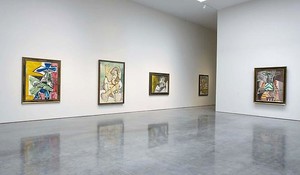
Installation view
Artwork © 2009 Estate of Pablo Picasso/Artists Rights Society (ARS), New York
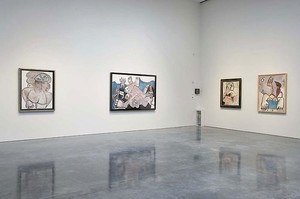
Installation view
Artwork © 2009 Estate of Pablo Picasso/Artists Rights Society (ARS), New York
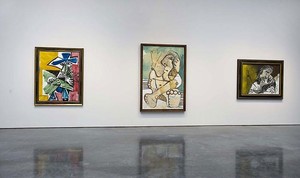
Installation view
Artwork © 2009 Estate of Pablo Picasso/Artists Rights Society (ARS), New York
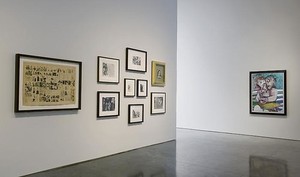
Installation view
Artwork © 2009 Estate of Pablo Picasso/Artists Rights Society (ARS), New York
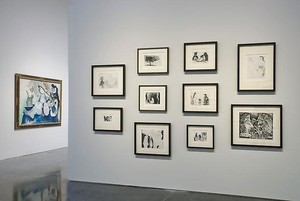
Installation view
Artwork © 2009 Estate of Pablo Picasso/Artists Rights Society (ARS), New York
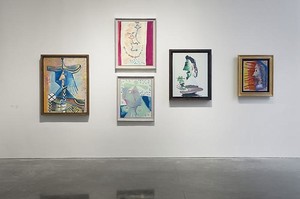
Installation view
Artwork © 2009 Estate of Pablo Picasso/Artists Rights Society (ARS), New York
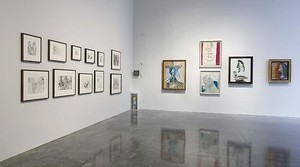
Installation view
Artwork © 2009 Estate of Pablo Picasso/Artists Rights Society (ARS), New York
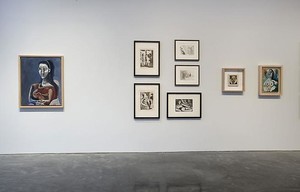
Installation view
Artwork © 2009 Estate of Pablo Picasso/Artists Rights Society (ARS), New York
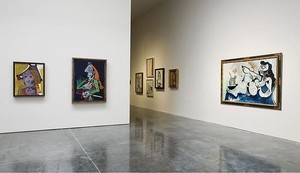
Installation view
Artwork © 2009 Estate of Pablo Picasso/Artists Rights Society (ARS), New York
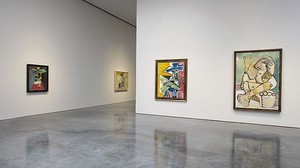
Installation view
Artwork © 2009 Estate of Pablo Picasso/Artists Rights Society (ARS), New York
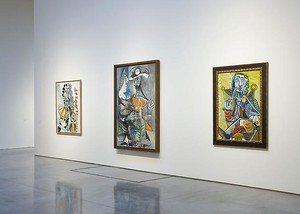
Installation view
Artwork © 2009 Estate of Pablo Picasso/Artists Rights Society (ARS), New York
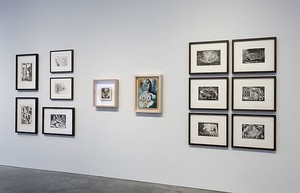
Installation view
Artwork © 2009 Estate of Pablo Picasso/Artists Rights Society (ARS), New York
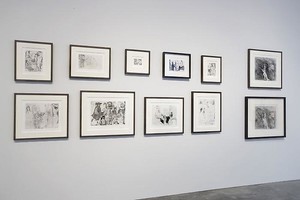
Installation view
Artwork © 2009 Estate of Pablo Picasso/Artists Rights Society (ARS), New York
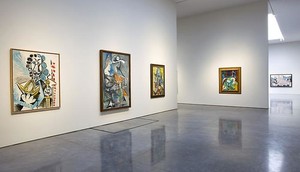
Installation view
Artwork © 2009 Estate of Pablo Picasso/Artists Rights Society (ARS), New York
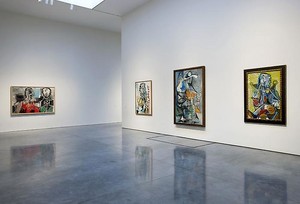
Installation view
Artwork © 2009 Estate of Pablo Picasso/Artists Rights Society (ARS), New York
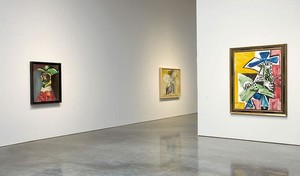
Installation view
Artwork © 2009 Estate of Pablo Picasso/Artists Rights Society (ARS), New York
Installation video
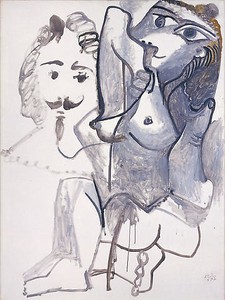
Pablo Picasso
Femme nue avec tête d’homme, 1967
Oil on canvas, 51 × 38 inches (130 × 97 cm)
© 2009 Estate of Pablo Picasso/Artists Rights Society (ARS), New York
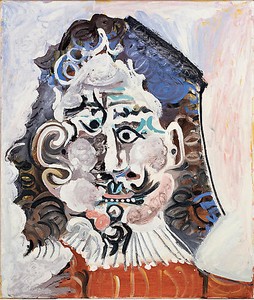
Pablo Picasso
Tête d’homme du 17ème siècle de face, 1967
Oil on canvas, 25 ½ × 21 ½ inches (65 × 54.5 cm)
© 2009 Estate of Pablo Picasso/Artists Rights Society (ARS), New York
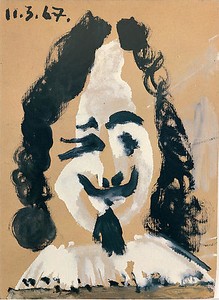
Pablo Picasso
Portrait d’homme du 17ème siècle, 1967
Oil on cardboard, 9 ¾ × 7 inches (24.5 × 18 cm)
© 2009 Estate of Pablo Picasso/Artists Rights Society (ARS), New York
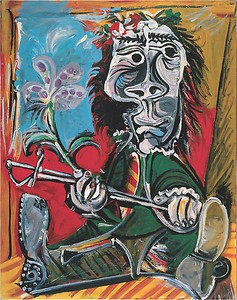
Pablo Picasso
Portait de l’homme à l’épée et à la fleur, 1969
Oil on canvas, 57 ½ × 45 ½ inches (146 × 115 cm)
© 2009 Estate of Pablo Picasso/Artists Rights Society (ARS), New York
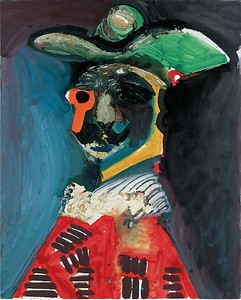
Pablo Picasso
Buste, 1970
Oil on canvas, 39 ½ × 32 inches (100 × 81 cm)
© 2009 Estate of Pablo Picasso/Artists Rights Society (ARS), New York
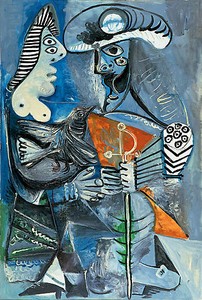
Pablo Picasso
Couple, 1970
Oil on canvas, 76 ¾ × 51 ¼ inches (195 × 130 cm)
© 2009 Estate of Pablo Picasso/Artists Rights Society (ARS), New York
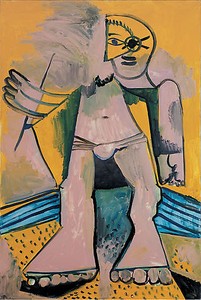
Pablo Picasso
Personnage, 1971
Oil on canvas, 76 ¾ × 27 ½ inches (195 × 130 cm)
© 2009 Estate of Pablo Picasso/Artists Rights Society (ARS), New York
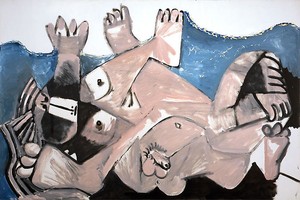
Pablo Picasso
Étreinte, 1972
Oil on canvas, 51 ¼ × 76 ¾ inches (130 × 195 cm)
© 2009 Estate of Pablo Picasso/Artists Rights Society (ARS), New York
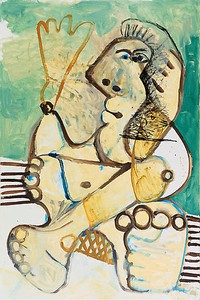
Pablo Picasso
Femme, 1972
Oil on canvas, 76 ¾ × 27 ½ inches (195 × 130 cm)
© 2009 Estate of Pablo Picasso/Artists Rights Society (ARS), New York
I enjoy myself to no end inventing these stories. I spend hour after hour while I draw, observing my creatures and thinking about the mad things they’re up to.
—Pablo Picasso, 1968
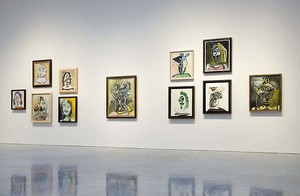
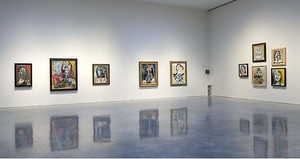
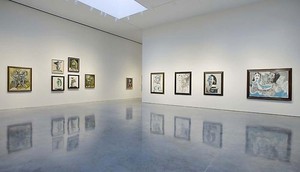
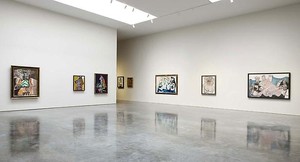
Picasso: Mosqueteros is the first exhibition in the United States to focus on the late paintings since Picasso: The Last Years: 1963–1973 at the Solomon R. Guggenheim Museum in 1984. Organized around a large group of important, rarely seen works from the collection of Bernard Ruiz-Picasso, as well as works from the Museum of Modern Art, New York; the Museo Picasso Málaga, Spain; and other private collections, Picasso: Mosqueteros aims to expand the ongoing inquiry regarding the context, subjects, and sources of the artist’s late work. Building on new research into his late life through the presentation of selected paintings and prints dating from 1962 to 1972, the exhibition suggests how the portrayal of the aged Picasso, bound to the past in his life and painting, has obscured the highly innovative and contemporary nature of his late work.
The tertulia, an Iberian tradition of gregarious social gatherings with literary or artistic overtones, played a major part in Picasso’s everyday life, even after he moved to the relative seclusion of Notre-Dame-de-Vie, France, in the 1960s. The inner circle of Picasso’s last years differed from its precedents in that, in addition to the writers and artists whom Picasso had always favored, it included a contingent of imaginary personages—musketeers, matadors, cavaliers, prostitutes, circus performers—borrowed from the history of art or developed in conversation with his friends. These characters who fill the late paintings and prints were drawn from a vast array of sources, from the old masters to the media. As a body of work, Picasso’s late period is among the greatest demonstrations of his constant invention of the new, in terms of style, technique, and subject and, indeed, in relation to the history of his own creative output.
One figure who appears both in the imaginary world of the tertulia and, stripped of all pretense, in the pictorial present is Jacqueline Roque: muse, wife, and constant companion of Picasso during his late years. For all his prior attention to the nude, the scale and anatomical frankness of the late pictures, in which a Jacqueline-like odalisque is subjected to every manner of scrutiny, is unprecedented. The increasing sexual explicitness, whether a symptom of sublimated impotence or simply one of modern candor, is just one instance of Picasso’s awareness of the radical changes in contemporary art and culture in the late ’60s and early ’70s.
The Summer 2025 issue of Gagosian Quarterly is now available, featuring Pablo Picasso’s Nu accoudé (1961) on the cover.

On April 18, the exhibition Picasso: Tête-à-tête opened at Gagosian, New York. Including works from 1896 to 1972, the full span of the artist’s career, the show is presented in partnership with Paloma Picasso, the artist’s daughter. Here, Michael Cary, one of the organizers of the exhibition, traces the historical precedents that informed the conversational nature of the curation. He also introduces a translation of a 1932 interview with Picasso by the publisher and critic E. Tériade, often quoted in English in part but not in full.
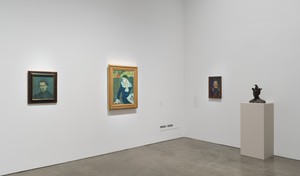
Join president of the Picasso Museum, Paris, Cécile Debray; curator, writer, biographer, and historian Annie Cohen-Solal; art historian Vérane Tasseau; and Gagosian director Serena Cattaneo Adorno as they discuss A Foreigner Called Picasso. Organized in association with the Musée national Picasso–Paris and the Palais de la Porte Dorée–Musée national de l’histoire de l’immigration, Paris, the exhibition reframes our perception of Picasso and focuses on his status as a permanent foreigner in France.
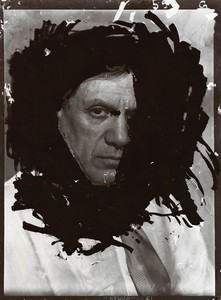
Cocurator of the exhibition A Foreigner Called Picasso, at Gagosian, New York, Annie Cohen-Solal writes about the genesis of the project, her commitment to the figure of the outsider, and Picasso’s enduring relevance to matters geopolitical and sociological.
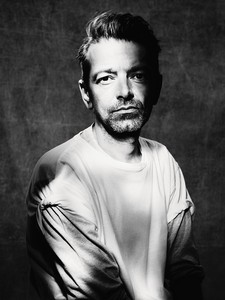
Pieter Mulier, creative director of Alaïa, presented his second collection for the legendary house in Paris in January 2022. After the presentation, Mulier spoke with Derek Blasberg about the show’s inspirations, including a series of ceramics by Pablo Picasso, and about his profound reverence for the intimacy and artistry of the atelier.
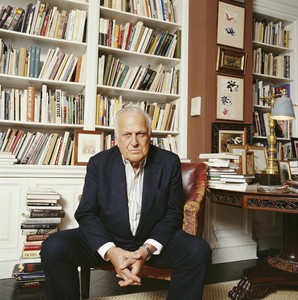
Pepe Karmel celebrates the release of A Life of Picasso IV: The Minotaur Years, 1933–1943, the final installment of Sir John Richardson’s magisterial biography.
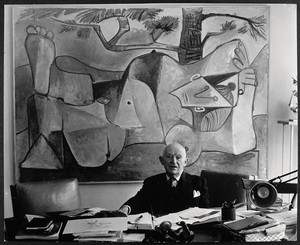
Michael Cary pays homage to the visionary dealer Daniel-Henry Kahnweiler (1884–1979).
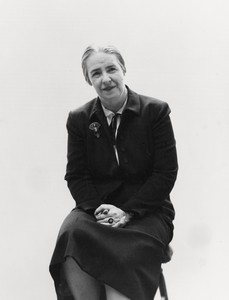
Berit Potter pays homage to the ardent museum leader who transformed San Francisco’s relationship to modern art.
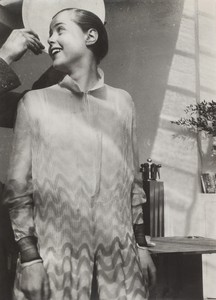
Inspired by a visit to the Fondation Louis Vuitton’s exhibition Charlotte Perriand: Inventing a New World, William Middleton explores the life of this modernist pioneer and her impact on the worlds of design, art, and architecture.
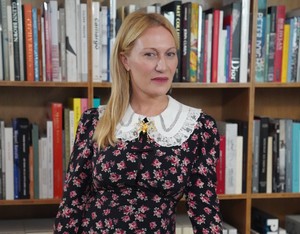
Diana Widmaier-Ruiz-Picasso curated an exhibition at Gagosian, Paris, in 2017–18 titled Picasso and Maya: Father and Daughter. To celebrate the exhibition, a publication was published in 2019; the comprehensive reference publication explores the figure of Maya Ruiz-Picasso, Pablo Picasso’s beloved eldest daughter, throughout Picasso’s work and chronicles the loving relationship between the artist and his daughter. In this video, Widmaier-Ruiz-Picasso details her ongoing interest in the subject and reflects on the process of making the book.
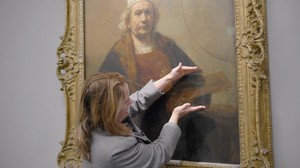
Jenny Saville reveals the process behind her new self-portrait, painted in response to Rembrandt’s masterpiece Self-Portrait with Two Circles.
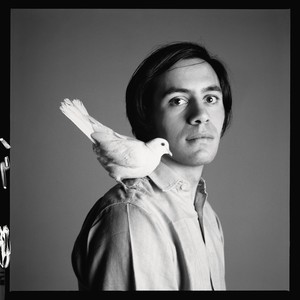
Picasso biographer Sir John Richardson sits down with Claude Picasso to discuss Claude’s photography, his enjoyment of vintage car racing, and the future of scholarship related to his father, Pablo Picasso.
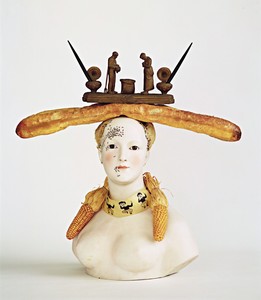
Mary Ann Caws and Charles Stuckey discuss the presence of food and the dining table in the history of modern art.
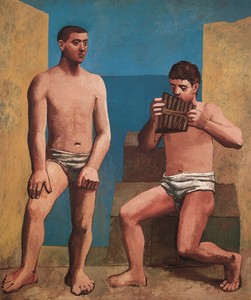
Celebrating the one hundred-year anniversary of Picasso’s first trip to Italy, the Scuderie del Quirinale in Rome is hosting the exhibition Picasso: Tra cubismo e classicismo 1915–1925, a grand presentation of two hundred works by the artist.

Diana Widmaier Picasso, curator of the exhibition Desire, reflects on the history of eroticism in art.
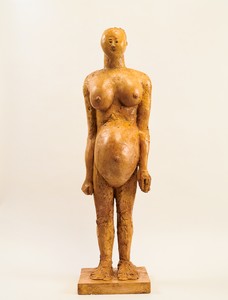
The story behind the sculpture that Diana Widmaier Picasso highlighted in Picasso’s Picassos: A Selection from the Collection of Maya Ruiz-Picasso.
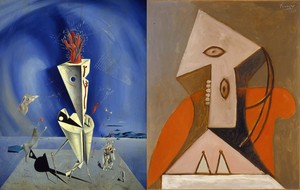
Known influencers, but did they influence each other?


