
Now available
Gagosian Quarterly Summer 2026
The Summer 2026 issue of Gagosian Quarterly is now available, featuring Ellen Gallagher’s Fast-Fish and Loose-Fish (2026) on the cover.
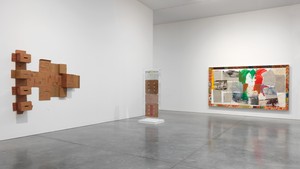
Installation view
Artwork © Robert Rauschenberg Foundation/Licensed by VAGA at Artists Rights Society (ARS), New York. Photo: Rob McKeever
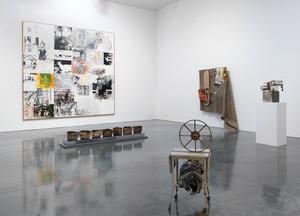
Installation view
Artwork © Robert Rauschenberg Foundation/Licensed by VAGA at Artists Rights Society (ARS), New York. Photo: Rob McKeever
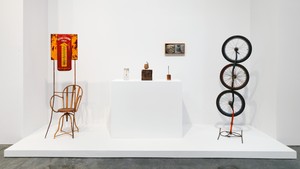
Installation view
Artwork © Robert Rauschenberg Foundation/Licensed by VAGA at Artists Rights Society (ARS), New York. Photo: Rob McKeever
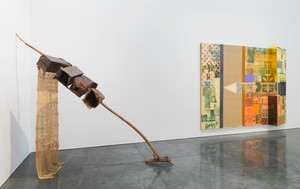
Installation view
Artwork © Robert Rauschenberg Foundation/Licensed by VAGA at Artists Rights Society (ARS), New York. Photo: Rob McKeever
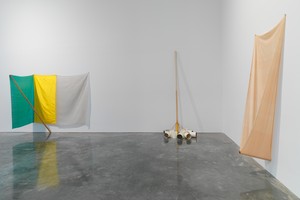
Installation view
Artwork © Robert Rauschenberg Foundation/Licensed by VAGA at Artists Rights Society (ARS), New York. Photo: Rob McKeever
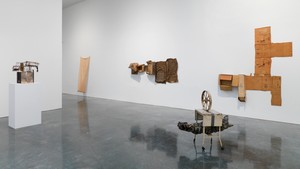
Installation view
Artwork © Robert Rauschenberg Foundation/Licensed by VAGA at Artists Rights Society (ARS), New York. Photo: Rob McKeever
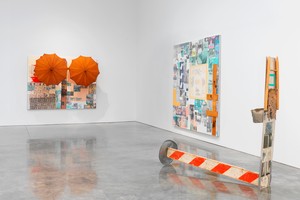
Installation view
Artwork © Robert Rauschenberg Foundation/Licensed by VAGA at Artists Rights Society (ARS), New York. Photo: Rob McKeever
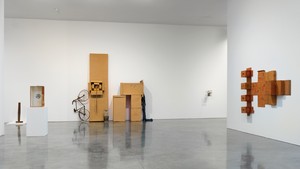
Installation view
Artwork © Robert Rauschenberg Foundation/Licensed by VAGA at Artists Rights Society (ARS), New York. Photo: Rob McKeever
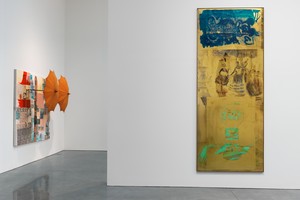
Installation view
Artwork © Robert Rauschenberg Foundation/Licensed by VAGA at Artists Rights Society (ARS), New York. Photo: Rob McKeever
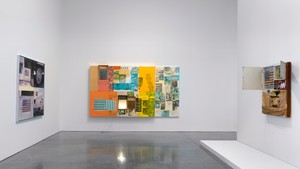
Installation view
Artwork © Robert Rauschenberg Foundation/Licensed by VAGA at Artists Rights Society (ARS), New York. Photo: Rob McKeever
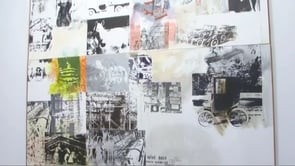
Installation video
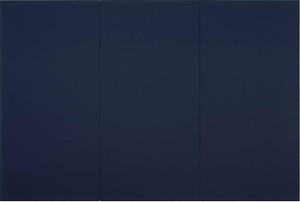
Robert Rauschenberg
Untitled (Matte Black Triptych), 1951
Oil on canvas, 3 parts: 72 × 108 inches (182.9 × 274.3 cm)
Robert Rauschenberg
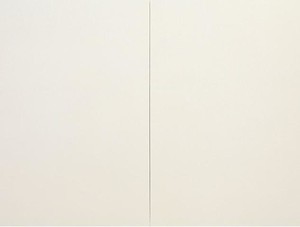
White Painting, 1951
Oil on canvas, 2 parts: 72 × 96 inches (182.9 × 243.8 cm)
Robert Rauschenberg
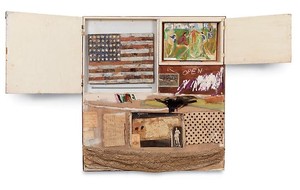
Short Circuit (Combine Painting), 1955
Oil, fabric and paper on wood supports and cabinet with two hinged doors containing a painting by Susan Weil and a reproduction of a Jasper Johns Flag painting by Elaine Sturtevant, 40 ¾ × 37 ½ × 4 ¼ inches (103.5 × 95.2 × 10.8 cm)
Robert Rauschenberg
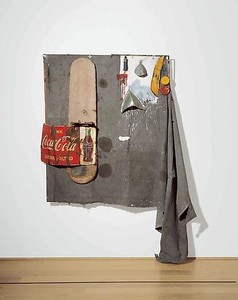
Dylaby (Combine Painting), 1962
Oil, metal objects, metal spring, metal Coca-Cola sign, ironing board, and twine on unstretched canvas tarp on wooden support, 109 ½ × 87 × 15 inches (278.1 × 221 × 38.1 cm)
Robert Rauschenberg
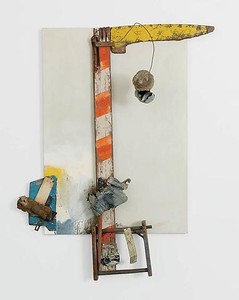
Aen Floga (Combine Painting), 1962
Oil on canvas with wood, metal and wire, 73 × 50 × 13 ¾ inches (185.4 × 127 × 34.9 cm)
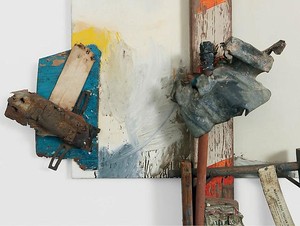
Robert Rauschenberg
Aen Floga (Combine Painting), 1962 (detail)
Oil on canvas with wood, metal and wire
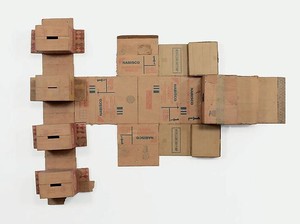
Robert Rauschenberg
Nabisco Shredded Wheat (Cardboard), 1971
Cardboard, 70 × 95 × 11 inches (177.8 × 241.3 × 27.9 cm)
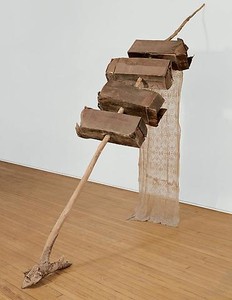
Robert Rauschenberg
Untitled (Venetian), 1973
Cardboard, wood branch, and lace curtain, 93 × 28 × 108 inches (236.2 × 73.7 × 274.3 cm)
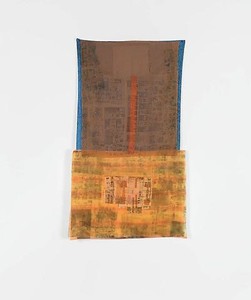
Robert Rauschenberg
Untitled (Hoarfrost), 1975
Solvent transfer on silk fabric, and collaged cardboard, 84 ½ × 49 ½ inches (214.6 × 125.7 cm)
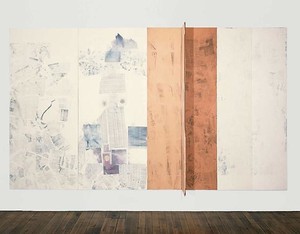
Robert Rauschenberg
Coral Roe (Spread), 1977
Solvent transfer, acrylic, fabric and graphite on wood panels with fabric and dowels, 85 × 180 × 55 ¾ inches (215.9 × 457.2 × 141.6 cm)
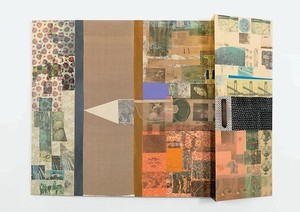
Robert Rauschenberg
Melic Meeting (Spread), 1979
Mixed media including solvent transfer on fabric collage, and mirror, 96 × 132 × 14 inches (243.8 × 335.3 × 35.6 cm)
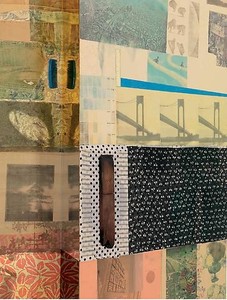
Robert Rauschenberg
Melic Meeting (Spread), 1979 (detail)
Mixed media including solvent transfer on fabric collage, and mirror, 96 × 132 × 14 inches (243.8 × 335.3 × 35.6 cm)
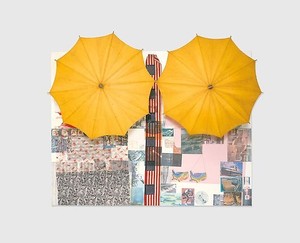
Robert Rauschenberg
Untitled (Spread), 1983
Solvent transfer, acrylic and collage on wooden panel, 76 × 96 × 35 inches (193 × 243.8 × 88.9 cm)
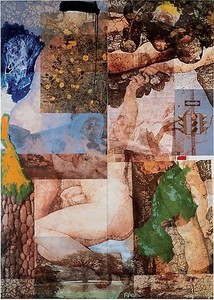
Robert Rauschenberg
Index (Japanese Claywork), 1985
Transfer on high-fired Japanese art ceramic, 89 ¼ × 63 ⅝ inches (226.7 × 161.6 cm)
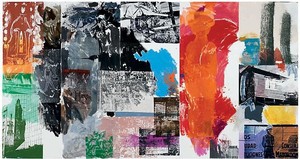
Robert Rauschenberg
Caryatid Cavalcade II (ROCI Chile), 1985
Acrylic on canvas, 138 ½ × 260 ¾ inches (351.8 × 662.3cm)
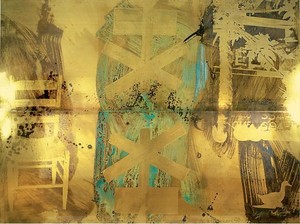
Robert Rauschenberg
Crossings (Borealis), 1990
Tarnishes on brass, 72 ¾ × 96 ¾ inches (184.8 × 245.7 cm)
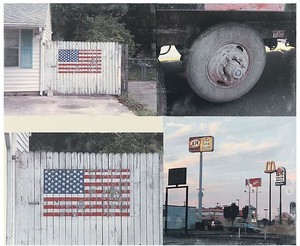
Robert Rauschenberg
Untitled (Runts), 2007
Pigment transfer on polylaminate, 61 × 73 ½ inches (154.9 × 186.7 cm)
The thing that’s been a constant over all these years is that I believe that art is communication so that the message has to change with time… If I can possibly show to anyone that the world belongs to them, to each person, then the work is successful. And if I succeed in being a great artist, then there won’t be any need for artists any more.
—Robert Rauschenberg
Gagosian Gallery is pleased to present a major exhibition of painting and sculpture by Robert Rauschenberg.
Rauschenberg stands as one of the most inventive artists in American art, arguably the first of his generation to chart a viable course out of Abstract Expressionism towards the formal integration of art and the mess of life. His approach to making art using discarded materials, everyday objects and appropriated images eviscerated the distinctions between medium and genre, abstraction and representation, while his “flatbed picture plane” forever changed the relationship between artist, image, and viewer. This exhibition highlights the breadth and range of Rauschenberg’s untrammeled and transformative vision and his enduring influence on subsequent generations of artists working today.
From the outset, the incidental, the immediate, and the perception of a presence greater than his own artistic virtuosity drove Rauschenberg’s creative energies. By working in what he called “the gap between art and life” he developed an altogether new visual language based on collage as a microcosm of the unbounded world that rejected the conventions of unitary meaning advanced by high art. Walking the streets of New York, he picked up trash and discarded objects that caught his interest and integrated them into compositions that he called, simply and paradigmatically, “combines”. In the Combines from the 1950s and early 1960s, all manner of urban debris, clothing, taxidermy animals, and art reproductions merge to signify perpetually shifting perspectives and meanings, from Greenhouse (1950) which incorporates such humble materials such as dirt, twigs, wire and broken glass; to Short Circuit (1955), in which a Jasper Johns’ Flag and a painting by his wife Susan Weil meld into a larger collage whose support is a rustic hinged wooden cabinet; to Dylaby (1962), that was part of his contribution to the “dynamic labyrinth” exhibition by the New Realists at the Stedelijk Museum in 1962.
The Summer 2026 issue of Gagosian Quarterly is now available, featuring Ellen Gallagher’s Fast-Fish and Loose-Fish (2026) on the cover.

In this video, Jenny Saville sits down inside her first major exhibition in Venice to discuss how the great Venetian artists of the past and the city’s heritage influence her work. The show brings together more than thirty canvases and works on paper from the 1990s to the present, tracing the development of her practice, which is deeply rooted in the history of painting.
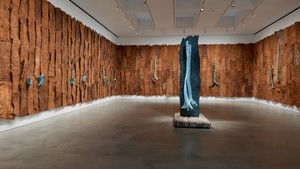
On the occasion of his exhibition The Reflection of Bronze at Gagosian, New York, Giuseppe Penone and curator Adam D. Weinberg sit down to discuss the genesis of, and their collaboration on, the show.
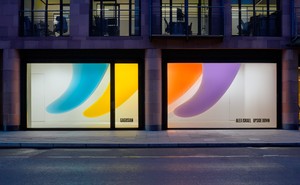
Ahead of Alex Israel’s exhibition of four new Fin sculptures at Gagosian, London, the artist spoke with Susan Casey, author of The Wave: In Pursuit of the Rogues, Freaks, and Giants of the Ocean (2010), about the ocean, surfing, and Los Angeles.
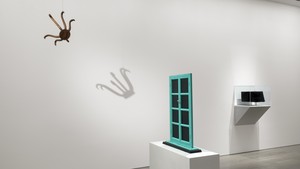
Marcel Duchamp is the inaugural exhibition of the gallery’s new ground-floor space in the historic building at 980 Madison Avenue. In this video, the Quarterly’s Alison McDonald discusses the artist’s most iconic readymades and their connection to New York City.
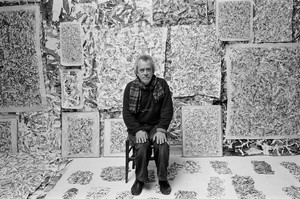
On July 9, Simon Hantaï: the last studio opens at Gagosian, Gstaad. Curated by Anne Baldassari, the show comprises sixteen of the artist’s dernier atelier (last studio) paintings of 1982–85. The exhibition is accompanied by an illustrated catalogue, copublished by Gagosian and Skira, which features an essay by Baldassari and an extensive portfolio of previously unpublished photographs by Édouard Boubat. Here, we share the introductory chapter from the publication.
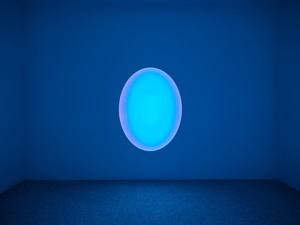
An exhibition at Gagosian, Hong Kong, brings together three of James Turrell’s Glasswork pieces along with site plans, photographs, and models of his Skyspaces and Roden Crater. Here, Alice Godwin explores the history of the Glassworks and their relationship to the artist’s wider practice.

On April 16, the Institute of Contemporary Art, Boston, opened the first midcareer survey of Derrick Adams’s multidisciplinary practice. Covering over twenty years of work, the exhibition, titled View Master, brings together the artist’s painting, sculpture, collage, performance, and video, as well as a vibrant new commission created for the museum’s façade. Ahead of the opening, Adams met with Tessa Bachi Haas, cocurator of the survey, to discuss his formative experiences with television, the impact of his work in arts education on his practice, and the importance of taking a more complex, more joyful, and more expansive approach to Black American life and culture.

Adam D. Weinberg has been working with Giuseppe Penone on an exhibition of the artist’s new sculptures, The Reflection of Bronze, that opens at Gagosian, New York, on April 22. The works explore the character and possibilities of bronze. Here, Weinberg considers Penone’s enduring engagement with the alloy and addresses the conceptual underpinnings of the exhibition’s three-room structure.

Jeff Koons tells Alison McDonald about his appreciation for the pioneering artist and thinker Marcel Duchamp.
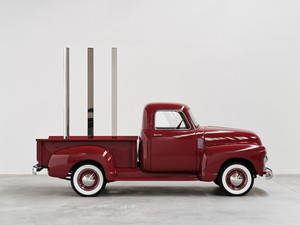
The Singular Experience at Gagosian’s Le Bourget gallery is the largest exhibition of Walter De Maria’s work in France in several decades. Organized by Donna De Salvo, senior adjunct curator at Dia Art Foundation, the exhibition marks the first time De Maria’s final sculpture, Truck Trilogy (2011–17), is being shown outside of the United States. Here, De Salvo speaks with artist Lucy Raven about her evolving kinship with De Maria and more.
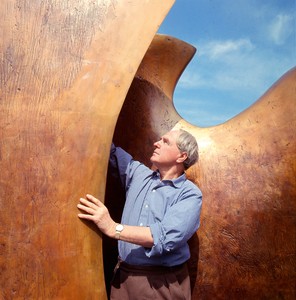
Laura Bruni writes about a major exhibition celebrating the work of the British sculptor Henry Moore at the Royal Botanic Gardens, Kew, London.


