Now available
Gagosian Quarterly Summer 2026
The Summer 2026 issue of Gagosian Quarterly is now available, featuring Ellen Gallagher’s Fast-Fish and Loose-Fish (2026) on the cover.
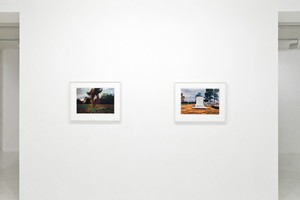
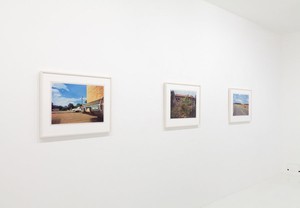
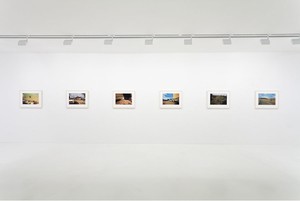
William Eggleston: Election Eve
Installation view Photo by Zarko Vijatovic
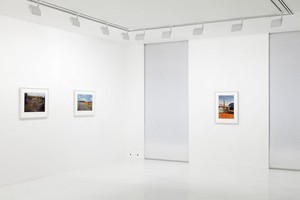
William Eggleston: Election Eve
Installation view Photo by Zarko Vijatovic
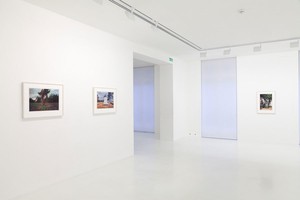
William Eggleston: Election Eve
Installation view Photo by Zarko Vijatovic
William Eggleston: Election Eve
Installation view Photo by Zarko Vijatovic
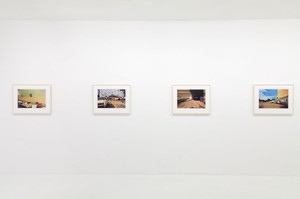
William Eggleston: Election Eve
Installation view Photo by Zarko Vijatovic
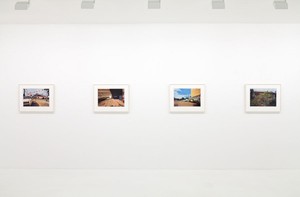
William Eggleston: Election Eve
Installation view Photo by Zarko Vijatovic
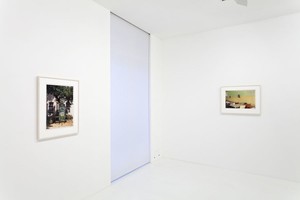
William Eggleston: Election Eve
Installation view Photo by Zarko Vijatovic
William Eggleston: Election Eve
Installation view Photo by Zarko Vijatovic
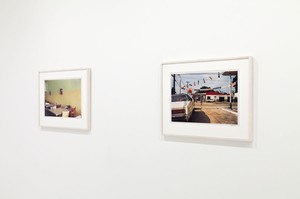
William Eggleston: Election Eve
Installation view Photo by Zarko Vijatovic
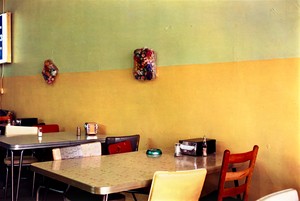
William Eggleston
Untitled, 1976/2011
Dye-transfer print, 20 × 24 inches (50.8 × 61 cm), edition of 10
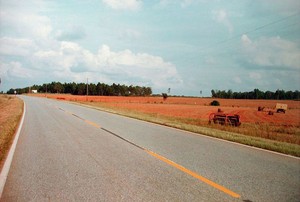
William Eggleston
Untitled, 1976/2011
Dye-transfer print, 20 × 24 inches (50.8 × 61 cm), edition of 10
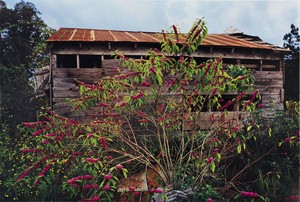
William Eggleston
Untitled, 1976/2011
Dye-transfer print, 20 × 24 inches (50.8 × 61 cm), edition of 10
I am at war with the obvious.
—William Eggleston
Gagosian Gallery is pleased to announce the representation of William Eggleston in Los Angeles with an exhibition of photographs selected from the Election Eve series of 1976. These photographs have never been editioned.
Eggleston’s unique ability to conflate the epic and the everyday has made him one of the most impactful figures in late twentieth century photography. A native Southerner, Eggleston first began photographing his local environment in the 1950s, experimenting with black-and-white photography. Seeking to record his observations in a more heightened and accurate way, he began to use color technology in the late 1960s, a medium that at the time was confined largely to commercial uses. Through the use of the dye-transfer color-printing process, he was able to achieve the strikingly vivid, saturated color that became one of the hallmarks of his oeuvre.
Eggleston is largely credited with legitimizing color photography as a fine art form, as well as pioneering a style that derives its power from a refined form of spontaneous observation. In landscapes, cityscapes, street scenes, roadside scenes, at every sort of public converging point, both in long view and arrest close-up, he sets forth the elements, events, and personalities of an ordinary world. His subject matter, such as the interiors of motel rooms and abandoned storefronts, are seemingly situational, based on everyday observations. Yet his eccentric compositional structure creates a world of intangible mystery and unexpected beauty which, however strange and uncanny, is unquestionable in its veracity.
The Summer 2026 issue of Gagosian Quarterly is now available, featuring Ellen Gallagher’s Fast-Fish and Loose-Fish (2026) on the cover.

In this video, Jenny Saville sits down inside her first major exhibition in Venice to discuss how the great Venetian artists of the past and the city’s heritage influence her work. The show brings together more than thirty canvases and works on paper from the 1990s to the present, tracing the development of her practice, which is deeply rooted in the history of painting.
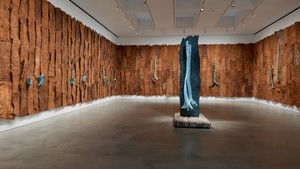
On the occasion of his exhibition The Reflection of Bronze at Gagosian, New York, Giuseppe Penone and curator Adam D. Weinberg sit down to discuss the genesis of, and their collaboration on, the show.
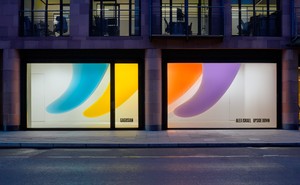
Ahead of Alex Israel’s exhibition of four new Fin sculptures at Gagosian, London, the artist spoke with Susan Casey, author of The Wave: In Pursuit of the Rogues, Freaks, and Giants of the Ocean (2010), about the ocean, surfing, and Los Angeles.
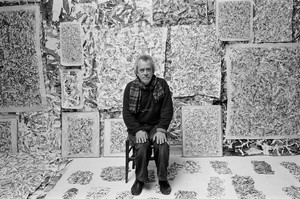
On July 9, Simon Hantaï: the last studio opens at Gagosian, Gstaad. Curated by Anne Baldassari, the show comprises sixteen of the artist’s dernier atelier (last studio) paintings of 1982–85. The exhibition is accompanied by an illustrated catalogue, copublished by Gagosian and Skira, which features an essay by Baldassari and an extensive portfolio of previously unpublished photographs by Édouard Boubat. Here, we share the introductory chapter from the publication.
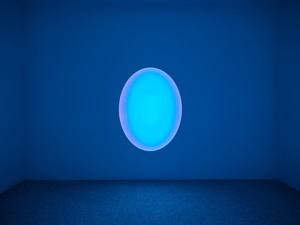
An exhibition at Gagosian, Hong Kong, brings together three of James Turrell’s Glasswork pieces along with site plans, photographs, and models of his Skyspaces and Roden Crater. Here, Alice Godwin explores the history of the Glassworks and their relationship to the artist’s wider practice.

On April 16, the Institute of Contemporary Art, Boston, opened the first midcareer survey of Derrick Adams’s multidisciplinary practice. Covering over twenty years of work, the exhibition, titled View Master, brings together the artist’s painting, sculpture, collage, performance, and video, as well as a vibrant new commission created for the museum’s façade. Ahead of the opening, Adams met with Tessa Bachi Haas, cocurator of the survey, to discuss his formative experiences with television, the impact of his work in arts education on his practice, and the importance of taking a more complex, more joyful, and more expansive approach to Black American life and culture.

Adam D. Weinberg has been working with Giuseppe Penone on an exhibition of the artist’s new sculptures, The Reflection of Bronze, that opens at Gagosian, New York, on April 22. The works explore the character and possibilities of bronze. Here, Weinberg considers Penone’s enduring engagement with the alloy and addresses the conceptual underpinnings of the exhibition’s three-room structure.

Jeff Koons tells Alison McDonald about his appreciation for the pioneering artist and thinker Marcel Duchamp.
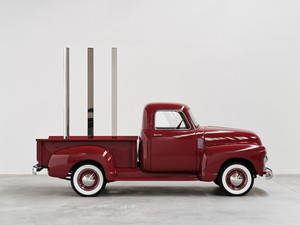
The Singular Experience at Gagosian’s Le Bourget gallery is the largest exhibition of Walter De Maria’s work in France in several decades. Organized by Donna De Salvo, senior adjunct curator at Dia Art Foundation, the exhibition marks the first time De Maria’s final sculpture, Truck Trilogy (2011–17), is being shown outside of the United States. Here, De Salvo speaks with artist Lucy Raven about her evolving kinship with De Maria and more.
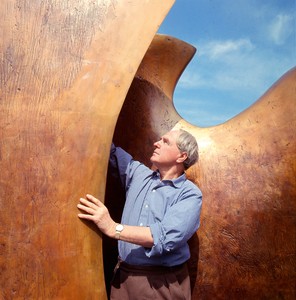
Laura Bruni writes about a major exhibition celebrating the work of the British sculptor Henry Moore at the Royal Botanic Gardens, Kew, London.
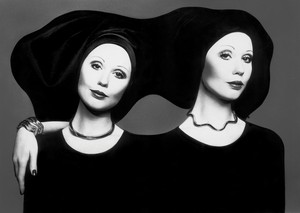
The exhibition Pomellato, Le Joaillier Révolutionnaire opened at Palais de Tokyo, Paris, on June 24. The Italian jewelry house’s trailblazing advertising campaigns—created by some of the most consequential names in photography—act as the narrative arc of the exhibition, curated by Alba Cappellieri. Here, Sarah Godfrey tracks Pomellato’s history, speaks with Cappellieri about what drew her to this project, and examines some of the key photographs from the show.