Now available
Gagosian Quarterly Summer 2026
The Summer 2026 issue of Gagosian Quarterly is now available, featuring Ellen Gallagher’s Fast-Fish and Loose-Fish (2026) on the cover.
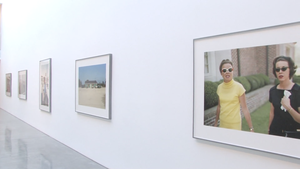
Installation video
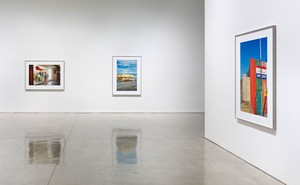
Installation view, photo by Douglas M. Parker Studio
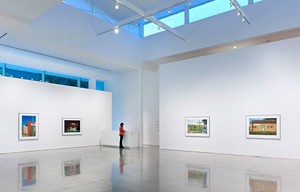
Installation view Photo by Douglas M. Parker Studio
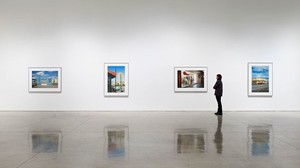
Installation view Photo by Douglas M. Parker Studio
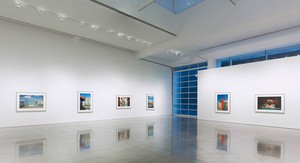
Installation view Photo by Douglas M. Parker Studio
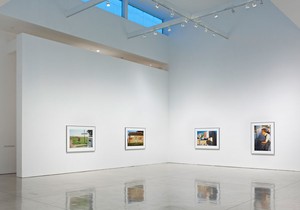
Installation view Photo by Douglas M. Parker Studio
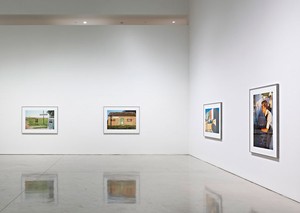
Installation view Photo by Douglas M. Parker Studio
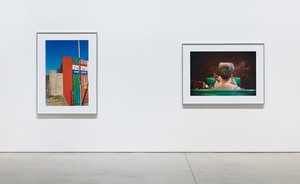
Installation view Photo by Douglas M. Parker Studio
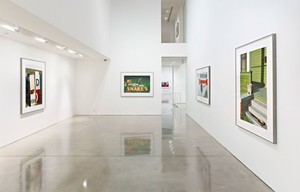
Installation view Photo by Douglas M. Parker Studio
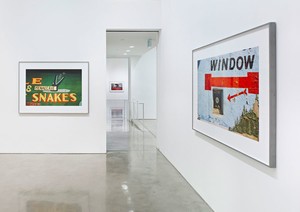
Installation view Photo by Douglas M. Parker Studio
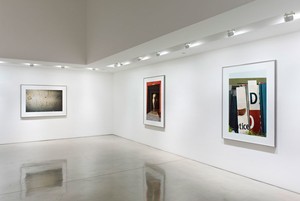
Installation view Photo by Douglas M. Parker Studio
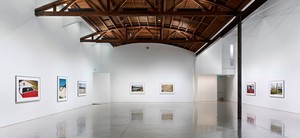
Installation view Photo by Douglas M. Parker Studio
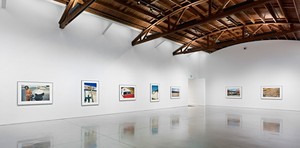
Installation view Photo by Douglas M. Parker Studio
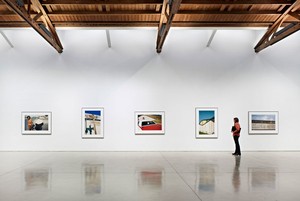
Installation view Photo by Douglas M. Parker Studio
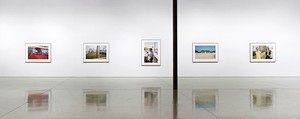
Installation view Photo by Douglas M. Parker Studio
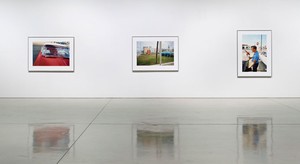
Installation view Photo by Douglas M. Parker Studio
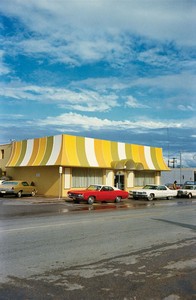
William Eggleston
Untitled, 1970/2012
Pigment print, 60 × 44 inches (152.4 × 111.8 cm), edition of 2
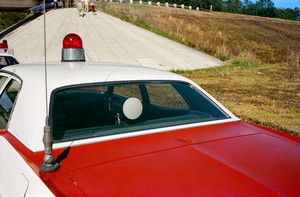
William Eggleston
Untitled, 1971/2012
Pigment print, 44 × 60 inches (111.8 × 152.4 cm), edition of 2
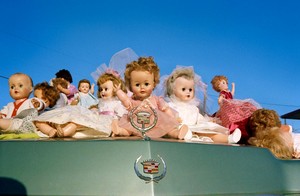
William Eggleston
Untitled, 1971/2012
Pigment print, 44 × 60 inches (111.8 × 152.4 cm), edition of 2
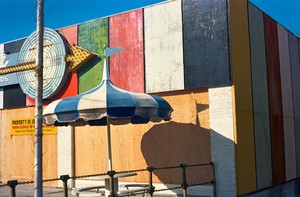
William Eggleston
Untitled, 1971/2012
Pigment print, 44 × 60 inches (111.8 × 152.4 cm), edition of 2
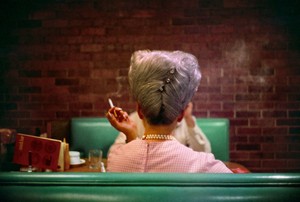
William Eggleston
Untitled, 1965/2012
Pigment print, 44 × 60 inches (111.8 × 152.4 cm), edition of 2
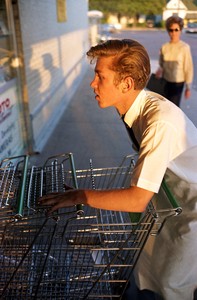
William Eggleston
Untitled, 1965/2012
Pigment print, 60 × 44 inches (152.4 × 111.8 cm), edition of 2
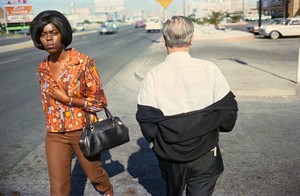
William Eggleston
Untitled, 1964/2012
Pigment print, 44 × 60 inches (111.8 × 152.4 cm), edition of 2
I just wait until [my subject] appears, which is often where I happen to be. Might be something right across the street. Might be something on down the road. And I’m usually very pleased when I get the image back. It’s usually exactly what I saw. I don’t have any favorites. Every picture is equal but different.
—William Eggleston
Gagosian Gallery is pleased to present an exhibition of photographs from William Eggleston’s Los Alamos series. This will be Eggleston’s first solo exhibition in Los Angeles since 2004.
A Memphis native, Eggleston carved his distinct oeuvre from the immediate world around him, incorporating all shades of life into his vivid photographs and thus pioneering an approach that derives its power from a refined form of spontaneous observation. A modern-day flâneur, he captures compelling fragments, events, and personalities of the ordinary world on the streets and in the parlors of small-town America. His subject matter, such as parked cars, billboards and abandoned storefronts, are seemingly banal, yet the idiosyncratic manner in which he orders his observations creates a world of enigma and unexpected beauty, unflinching in its veracity.
This exhibition comprises twenty-eight large-scale pigment images from the Los Alamos series, printed from vintage negatives. Some images were first printed in the early 2000s as dye transfers. Others have never been seen before. Eggleston shot them on the road between 1966 and 1974 in the Mississippi Delta, New Orleans, Las Vegas, Los Angeles, Los Alamos, and other locations across the United States, naming the Los Alamos series after the laboratory where atomic weapons were developed. In the intimate portraiture and stark landscapes, the profound influence of his aesthetic on contemporary image-making is plain. His self-professed “democratic camera” seeks out spontaneous moments of aesthetic exception—a neon light glowing piercingly in a darkened motel room; the back of a smooth, perfectly arranged grey updo; a collection of dolls; a gawky young man pumping gas. Tightly cropped and condensed, each object or subject assumes a narrative life of its own, charged with mystery and possibility. Geographically non-specific and seemingly timeless, the freedom and congeniality of these loosely framed portraits is a hallmark of Eggleston’s working style—emanations of a steadfastly egalitarian vision and a poetic eye.
The Summer 2026 issue of Gagosian Quarterly is now available, featuring Ellen Gallagher’s Fast-Fish and Loose-Fish (2026) on the cover.

In this video, Jenny Saville sits down inside her first major exhibition in Venice to discuss how the great Venetian artists of the past and the city’s heritage influence her work. The show brings together more than thirty canvases and works on paper from the 1990s to the present, tracing the development of her practice, which is deeply rooted in the history of painting.
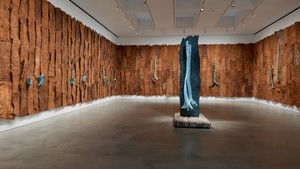
On the occasion of his exhibition The Reflection of Bronze at Gagosian, New York, Giuseppe Penone and curator Adam D. Weinberg sit down to discuss the genesis of, and their collaboration on, the show.
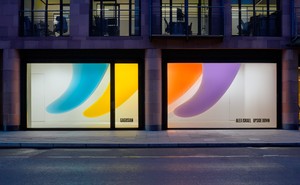
Ahead of Alex Israel’s exhibition of four new Fin sculptures at Gagosian, London, the artist spoke with Susan Casey, author of The Wave: In Pursuit of the Rogues, Freaks, and Giants of the Ocean (2010), about the ocean, surfing, and Los Angeles.
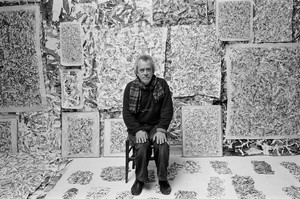
On July 9, Simon Hantaï: the last studio opens at Gagosian, Gstaad. Curated by Anne Baldassari, the show comprises sixteen of the artist’s dernier atelier (last studio) paintings of 1982–85. The exhibition is accompanied by an illustrated catalogue, copublished by Gagosian and Skira, which features an essay by Baldassari and an extensive portfolio of previously unpublished photographs by Édouard Boubat. Here, we share the introductory chapter from the publication.
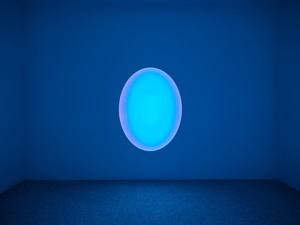
An exhibition at Gagosian, Hong Kong, brings together three of James Turrell’s Glasswork pieces along with site plans, photographs, and models of his Skyspaces and Roden Crater. Here, Alice Godwin explores the history of the Glassworks and their relationship to the artist’s wider practice.

On April 16, the Institute of Contemporary Art, Boston, opened the first midcareer survey of Derrick Adams’s multidisciplinary practice. Covering over twenty years of work, the exhibition, titled View Master, brings together the artist’s painting, sculpture, collage, performance, and video, as well as a vibrant new commission created for the museum’s façade. Ahead of the opening, Adams met with Tessa Bachi Haas, cocurator of the survey, to discuss his formative experiences with television, the impact of his work in arts education on his practice, and the importance of taking a more complex, more joyful, and more expansive approach to Black American life and culture.

Adam D. Weinberg has been working with Giuseppe Penone on an exhibition of the artist’s new sculptures, The Reflection of Bronze, that opens at Gagosian, New York, on April 22. The works explore the character and possibilities of bronze. Here, Weinberg considers Penone’s enduring engagement with the alloy and addresses the conceptual underpinnings of the exhibition’s three-room structure.

Jeff Koons tells Alison McDonald about his appreciation for the pioneering artist and thinker Marcel Duchamp.
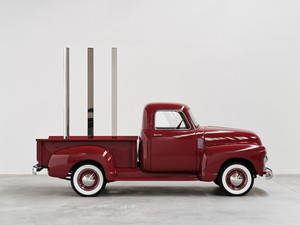
The Singular Experience at Gagosian’s Le Bourget gallery is the largest exhibition of Walter De Maria’s work in France in several decades. Organized by Donna De Salvo, senior adjunct curator at Dia Art Foundation, the exhibition marks the first time De Maria’s final sculpture, Truck Trilogy (2011–17), is being shown outside of the United States. Here, De Salvo speaks with artist Lucy Raven about her evolving kinship with De Maria and more.
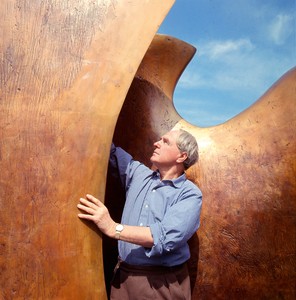
Laura Bruni writes about a major exhibition celebrating the work of the British sculptor Henry Moore at the Royal Botanic Gardens, Kew, London.
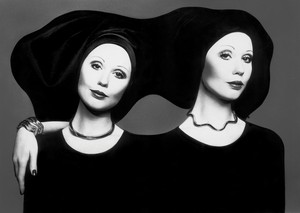
The exhibition Pomellato, Le Joaillier Révolutionnaire opened at Palais de Tokyo, Paris, on June 24. The Italian jewelry house’s trailblazing advertising campaigns—created by some of the most consequential names in photography—act as the narrative arc of the exhibition, curated by Alba Cappellieri. Here, Sarah Godfrey tracks Pomellato’s history, speaks with Cappellieri about what drew her to this project, and examines some of the key photographs from the show.