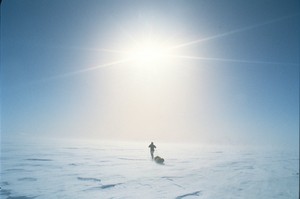
Ed Ruscha and Erling Kagge: Silence, Slowness, Exploration
Ed Ruscha sits down with the author and explorer Erling Kagge to discuss existence.
Installation video
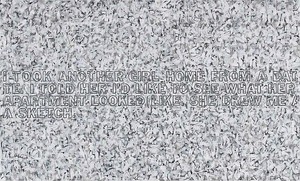
Richard Prince
Untitled, 2010
Collage and acrylic on canvas, 48 × 80 inches (121.9 × 203.2 cm)
© Richard Prince
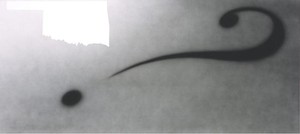
Ed Ruscha
No Man’s Land, 1990
Acrylic on canvas, 54 × 120 inches (137.2 × 304.8 cm)
© Ed Ruscha
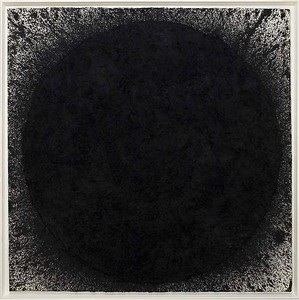
Richard Serra
Beckett, 2009
Paintstick on handmade paper, 82 ½ × 82 ½ inches (209.6 × 209.6 cm)
© Richard Serra/Artists Rights Society (ARS), New York
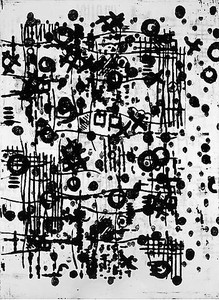
Christopher Wool
Untitled, 1997
Enamel on canvas, 66 × 48 inches (167.6 × 121.9 cm)
© Christopher Wool
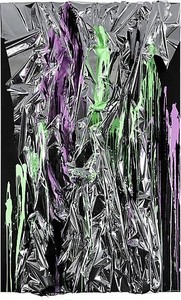
Anselm Reyle
Untitled, 2008
Mixed media on canvas, acrylic glass, 118 ⅛ × 74 ¾ × 9 ⅞ inches (300 × 190 × 25 cm)
© Anselm Reyle
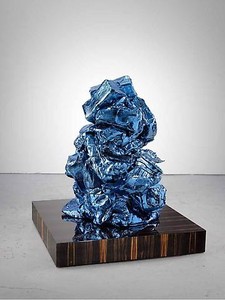
Anselm Reyle
Untitled, 2009
Bronze, chrome optics, patina, and plinth with Makassar ebony veneer, 46 ½ × 39 ⅜ × 39 ⅜ inches (118.1 × 100 × 100 cm), 1 of 8 unique versions
© Anselm Reyle
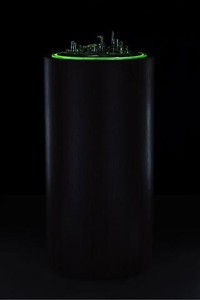
Mike Kelley
City 7, 2007–09
Mixed media, 52 ¼ × 23 ½ × 23 ½ inches (132.7 × 59.7 × 59.7 cm), edition of 5
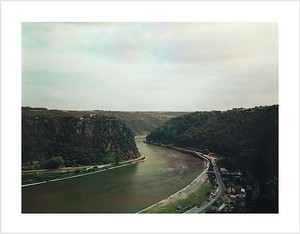
Florian Maier-Aichen
Untitled, 2009
Chromogenic print, framed: 36 ¼ × 46 ⅝ inches (92.2 × 118.3 cm), edition of 6
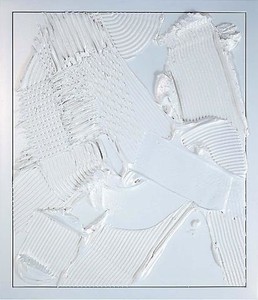
Anselm Reyle
White Earth, 2009
Mixed media on canvas, steel frame, and effect lacquer, 58 ⅜ × 50 inches (148.3 × 127 cm)
© Anselm Reyle
Gagosian is pleased to present three exhibitions on three floors:
The 6th Floor group show features works by Richard Prince, Ed Ruscha, Richard Serra and Christopher Wool.
The 5th Floor show features a selection of works by German artist Anselm Reyle.
The 4th Floor group show features works by Mike Kelley, Florian Maier-Aichen, and Anselm Reyle.
Ed Ruscha sits down with the author and explorer Erling Kagge to discuss existence.
Helter Skelter—an exhibition at Fondazione Prada’s Venetian venue, Ca’ Corner della Regina—marks the first creative dialogue between two visionaries of American art, Arthur Jafa and Richard Prince. The show explores the grit, grift, violence, and ingenuity of American culture through more than fifty works, including photography, video, and large-scale installations that interrogate themes of race, gender, media, and politics. In the interview below, Nancy Spector, the exhibition’s curator, speaks about the shared motifs—from apocalyptic sunsets to a fascination with “monstrosity”—that led her to pair these artists for the first time.

In this video, musical ensemble Sō Percussion performs Steve Reich’s “Music for Pieces of Wood” inside the exhibition Richard Serra: Running Arcs (For John Cage), 1992, at Gagosian, New York.

Jonathan Griffin traveled to Marfa to see the second iteration of Christopher Wool’s See Stop Run exhibition and to talk with the artist about his latest work, and about the photography series and sculptures that grew from his time in the Texas town.

Sydney Stutterheim traces the linkages and affinities between the work of Richard Prince and that of Bob Dylan. Using Prince’s Untitled (Dylan) as a starting point, she considers the artist’s enduring interest in questions of originality and authorship, as well as his sustained relationship with the worlds of American music and counterculture.
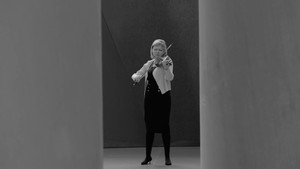
Violinist Alina Ibragimova performs Bach’s Sonata for Solo Violin No. 1 in G Major: Adagio (BWV 1001, c. 1720) from within Richard Serra’s sculpture Transmitter (2020) at Gagosian, Le Bourget. Organized by Bold Tendencies, a nonprofit organization that commissions artists to produce site-specific projects and present performances, in collaboration with Gagosian, this recorded performance took place on May 8, 2022 before a live concert of Olivier Messiaen’s Quatuor pour la fin du temps (Quartet for the End of Time, 1941).
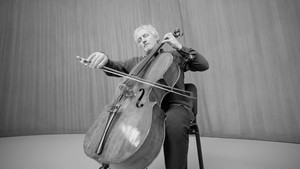
Cellist Mario Brunello performs Bach’s Cello Suite No. 1 in G Major: Prelude (BWV 1007, c. 1717–23) within Richard Serra’s sculpture Transmitter (2020) at Gagosian, Le Bourget. Organized by Bold Tendencies—a nonprofit that commissions artists to produce site-specific projects and present performances—in collaboration with Gagosian, this recorded performance took place on May 8, 2022, before a live concert of Olivier Messiaen’s Quatuor pour la fin du temps (Quartet for the End of Time, 1941).
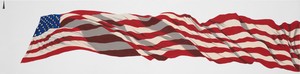
Gillian Pistell writes on the loaded symbol of the American flag in the work of postwar and contemporary artists.
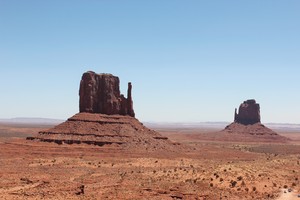
The second installment of Picture Books, an imprint organized by Emma Cline and Gagosian, presents author Percival Everett’s novella Grand Canyon, Inc. alongside Untitled (Original Cowboy), a photograph by Richard Prince. In celebration of the publication, Everett met with author Brandon Taylor to discuss the novella, the role of history in the writing process, and the similarity in methodologies for science and literature.
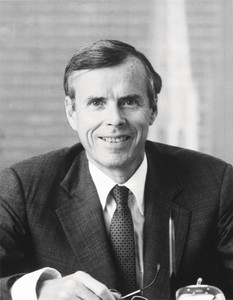
Jacoba Urist profiles the legendary collector.
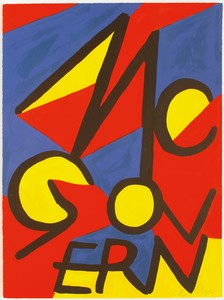
Against the backdrop of the 2020 US presidential election, historian Hal Wert takes us through the artistic and political evolution of American campaign posters, from their origin in 1844 to the present. In an interview with Quarterly editor Gillian Jakab, Wert highlights an array of landmark posters and the artists who made them.
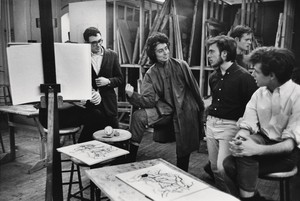
Lauren Mahony and Michael Tcheyan pay homage to the founder of the New York Studio School.
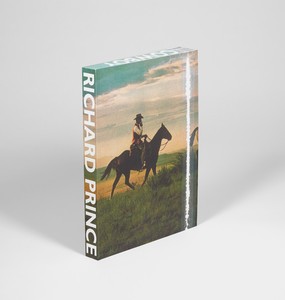
On the occasion of the publication of Richard Prince: Cowboy, a major monograph on the artist’s preoccupation with the mythic American West, Lucy Sante tracks the archetype through mass media, advertising, and the art of Richard Prince to illuminate the cowboy’s enduring appeal.
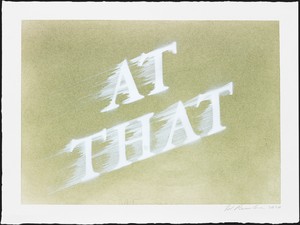
Lisa Turvey examines the range of effects conveyed by the blurred phrases in recent drawings by the artist, detailing the ways these words in motion evoke the experience of the current moment.
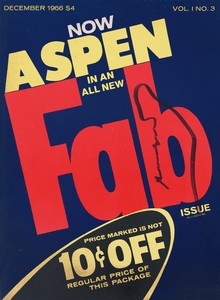
Gwen Allen recounts her discovery of cutting-edge artists’ magazines from the 1960s and 1970s and explores the roots and implications of these singular publications.

In response to enduring racial injustices and the recent widespread civil unrest, Richard Serra urges people to watch this video commentary by Trevor Noah, host of The Daily Show.
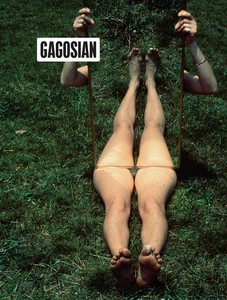
The Summer 2020 issue of Gagosian Quarterly is now available, featuring Joan Jonas’s Mirror Piece 1 (1969) on its cover.
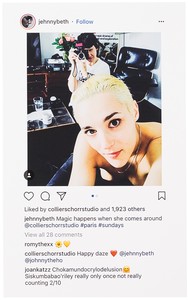
Natasha Stagg on influencers, the loss of the it-girl, and the “promotional life.”
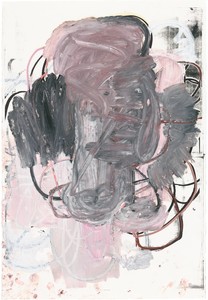
Gray turns to pink or his twenty-first century, much of it in Texas. Text by Richard Hell.
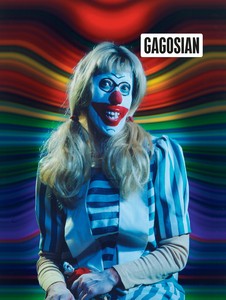
The Spring 2020 issue of Gagosian Quarterly is now available, featuring Cindy Sherman’s Untitled #412 (2003) on its cover.
