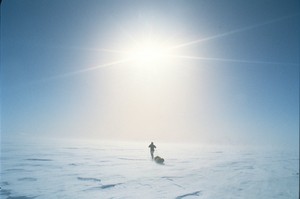
Ed Ruscha and Erling Kagge: Silence, Slowness, Exploration
Ed Ruscha sits down with the author and explorer Erling Kagge to discuss existence.
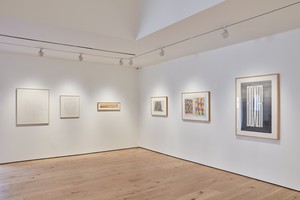
Installation view
Artwork, left to right: © Ellsworth Kelly Foundation; © Ed Ruscha; © 2020 Jasper Johns/Licensed by VAGA at Artists Rights Society (ARS), New York; © Ed Ruscha
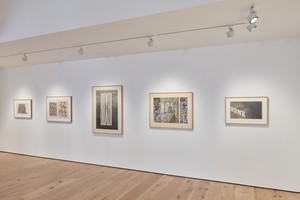
Installation view
Artwork, left, center, and right: © Ed Ruscha; center left and center right: © 2020 Jasper Johns/Licensed by VAGA at Artists Rights Society (ARS), New York
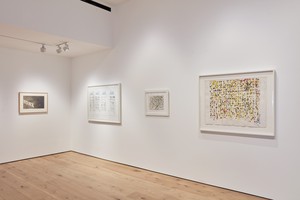
Installation view
Artwork, left to right: © Ed Ruscha; © Damien Hirst and Science Ltd. All rights reserved/DACS, London/ARS, New York 2020; ©️ 2020 Brice Marden/Artists Rights Society, New York
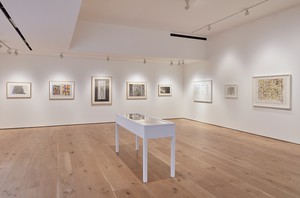
Installation view
Artwork, left to right: © Ed Ruscha; © 2020 Jasper Johns/Licensed by VAGA at Artists Rights Society (ARS), New York; © Ed Ruscha; © 2020 Jasper Johns/Licensed by VAGA at Artists Rights Society (ARS), New York; © Ed Ruscha; © Damien Hirst and Science Ltd. All rights reserved/DACS, London/ARS, New York 2020; ©️ 2020 Brice Marden/Artists Rights Society, New York
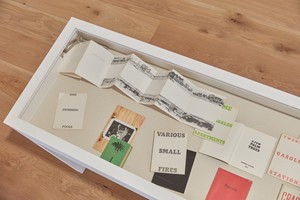
Installation view
Artwork © Ed Ruscha
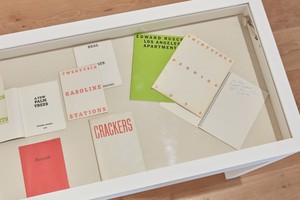
Installation view
Artwork © Ed Ruscha
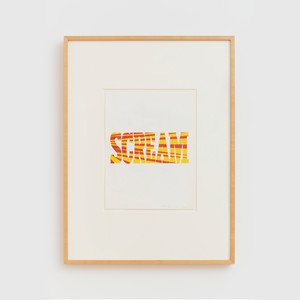
Ed Ruscha
Red Yellow Scream, 1964
Tempera and pencil on paper, 14 ⅜ × 10 ¾ inches (36.5 × 27.3 cm)
© Ed Ruscha
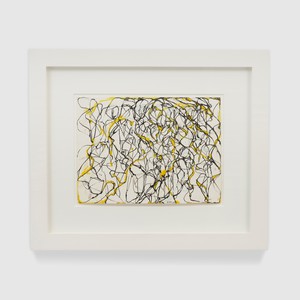
Brice Marden
Butterfly Wings, 2005
Ink on paper, 11 × 15 inches (27.9 × 38.1 cm)
©️ 2020 Brice Marden/Artists Rights Society, New York
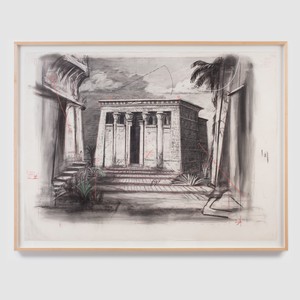
William Kentridge
Drawing from “Preparing the Flute” (Temple), 2005
Charcoal and pastel on paper, 47 ½ × 63 inches (120.7 × 160 cm)
© 2020 Artists Rights Society (ARS), New York
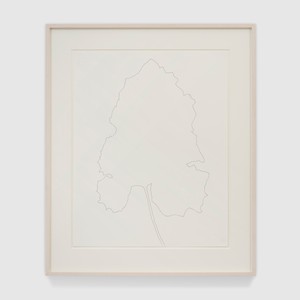
Ellsworth Kelly
Burdock, 1969
Ink on paper, 29 × 23 inches (73.7 × 58.4 cm)
© Ellsworth Kelly Foundation
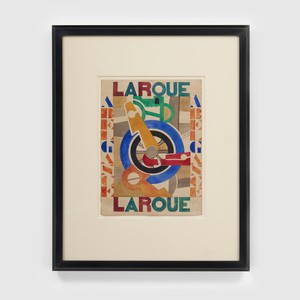
Fernand Léger
La Roue (Projet d’affiche pur La Roue D’Abel Gance), 1920
Watercolor on paper, 16 ¾ × 12 ⅛ inches (42.5 × 30.8 cm)
© 2020 Artists Rights Society (ARS), New York/ADAGP, Paris
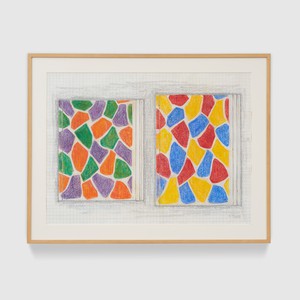
Jasper Johns
Two Paintings, 2006
Pastel and graphite pencil on paper, 22 ⅞ × 31 ⅛ inches (57.9 × 79.1 cm)
© 2020 Jasper Johns/Licensed by VAGA at Artists Rights Society (ARS), New York
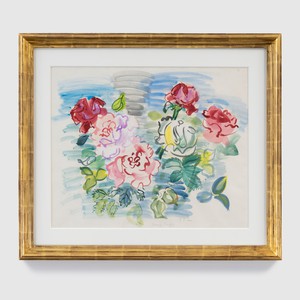
Raoul Dufy
Bed of Roses, 1932
Watercolor on paper, 20 × 23 ¾ inches (50.8 × 60.3 cm)
© 2020 Artists Rights Society (ARS), New York/ADAGP, Paris
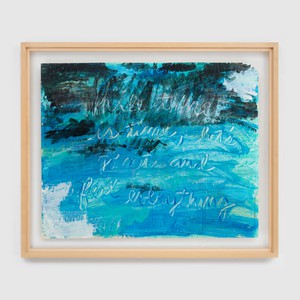
Paul Thek
While there is time, let’s go out and feel everything, 1988
Acrylic on newspaper, 22 ¼ × 27 ⅜ inches (56.5 × 69.5 cm)
© Estate of George Paul Thek
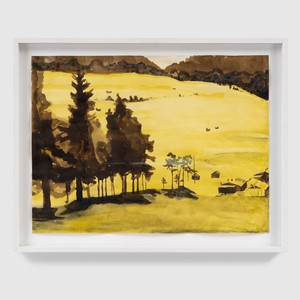
Mamma Andersson
Landskap V/Landscape V, 2007
Mixed media on paper, 16 × 22 inches (40.6 × 55.9 cm)
© 2020 Artists Rights Society (ARS), New York
Acquavella Galleries, Gagosian, and Pace Gallery are pleased to announce a joint exhibition of works on paper from the esteemed Donald B. Marron Collection, belonging to one of the twentieth and twenty-first century’s most passionate and erudite collectors. The exhibition will be on view August 12–20, 2020, at Pace’s recently opened gallery in East Hampton, New York. In a continuation of the three galleries’ partnership with the Marron family to handle the sale of the private collection of the late Donald B. Marron, this intimate presentation offers a glimpse into the coveted Marron estate of over 300 masterworks acquired over the course of six decades.
The exhibition will feature almost forty works on paper including sketches and studies as well as fully realized paint and pastel pieces. Works on view range from early modern masterpieces by Henri Matisse, Raoul Dufy, and Fernand Léger; to nature studies by Ellsworth Kelly and an exemplary acrylic from Paul Thek’s final series; to contemporary pieces by Mamma Andersson, Leonardo Drew, Damien Hirst, Jasper Johns, and Brice Marden, among others. A focused presentation on Ed Ruscha’s typographic and image-based drawings and a selection of his inventive artist’s books will round out the exhibition. Many of these works are being exhibited publicly for the first time since their acquisition.
Ed Ruscha sits down with the author and explorer Erling Kagge to discuss existence.

On January 22, Gagosian, in partnership with Castelli Gallery, opened an exhibition of historic works by Jasper Johns at the 980 Madison Avenue gallery in New York. A survey of the crosshatch paintings and drawings that dominated his practice from 1973 to 1983, the presentation united works that have rarely been seen with loans from sources including distinguished American museums. The exhibition commemorates the fiftieth anniversary of this body of work’s debut at Castelli Gallery in 1976. Here, Larry Gagosian speaks with the Quarterly’s Alison McDonald about the impetus for this project, his memories of seeing the exhibition in 1976, and the enduring impact of these paintings on artists and collectors.
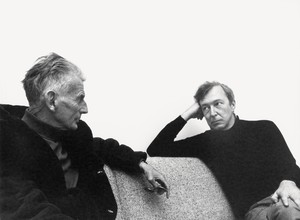
Nearly fifty years ago, Samuel Beckett and Jasper Johns met in Paris and began a collaboration on what would become Foirades/Fizzles, a deluxe limited-edition artist’s book published by Petersburg Press in 1976. Now, on the occasion of the Jasper Johns retrospective at the Philadelphia Museum of Art and New York’s Whitney Museum of American Art, Gagosian Quarterly looks back to the genesis of this project with a conversation between independent researcher Anthony Atlas and Gagosian director Bob Monk. Their discussion focuses on the creative encounter between the artist and the writer and on how the book and related works became a generative source in Johns’s art.

Celebrating the collector Laurent Asscher’s new art space in Venice, William Middleton underscores the richness of Asscher’s relationships with artists.

In the second part of a two-part essay, art historian John B. Ravenal considers Jasper Johns’s continued engagement with the motif of woodgrain.

As American identity once again comes into question during a politically charged election cycle, the Quarterly revisits the motif of the American flag in art. Here, John B. Ravenal contextualizes Robert Lazzarini’s new wall-based flag sculptures and elucidates the tensions they lay bare in the symbol of our nation.

In the first part of a two-part essay, art historian John B. Ravenal considers Jasper Johns’s continued engagement with the motif of woodgrain.
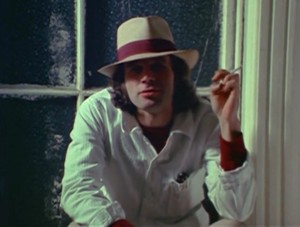
In conjunction with the memorial service for Brice Marden held at the Museum of Modern Art, New York, Mirabelle and Melia Marden produced a short film directed by Chiara Clemente to honor the late artist. Featuring interviews, archival photographs, and family videos, this film captures Marden’s vibrant life and enduring cultural impact.
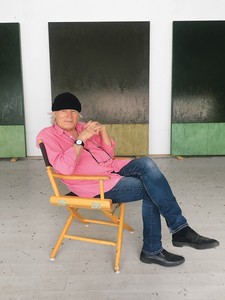
Larry Gagosian celebrates the unmatched life and legacy of Brice Marden.
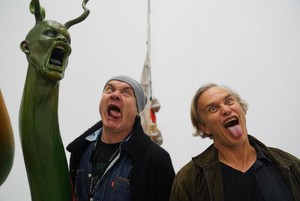
In conversation with James Fox, Damien Hirst reflects on the artwork of his longtime friend.
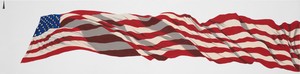
Gillian Pistell writes on the loaded symbol of the American flag in the work of postwar and contemporary artists.
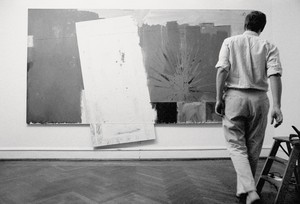
Carlos Basualdo, the Keith L. and Katherine Sachs Senior Curator of Contemporary Art at the Philadelphia Museum of Art, and Scott Rothkopf, Senior Deputy Director and Nancy and Steve Crown Family Chief Curator at the Whitney Museum of American Art, New York, spoke with the Quarterly’s Alison McDonald ahead of the opening of the unprecedented collaborative retrospective Jasper Johns: Mind/Mirror to discuss the goals, revelations, and unique structure of the project.
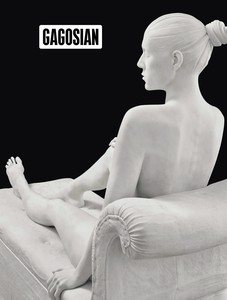
The Fall 2021 issue of Gagosian Quarterly is now available, featuring Damien Hirst’s Reclining Woman (2011) on its cover.
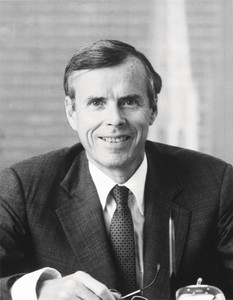
Jacoba Urist profiles the legendary collector.
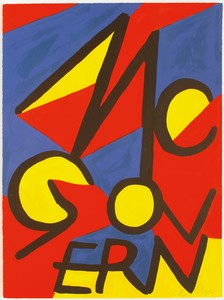
Against the backdrop of the 2020 US presidential election, historian Hal Wert takes us through the artistic and political evolution of American campaign posters, from their origin in 1844 to the present. In an interview with Quarterly editor Gillian Jakab, Wert highlights an array of landmark posters and the artists who made them.
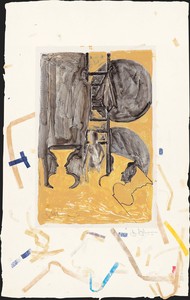
Eileen Costello explores the oft-overlooked importance of paper choice to the mediums of drawing and printmaking, from the Renaissance through the present day.
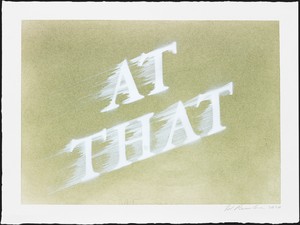
Lisa Turvey examines the range of effects conveyed by the blurred phrases in recent drawings by the artist, detailing the ways these words in motion evoke the experience of the current moment.
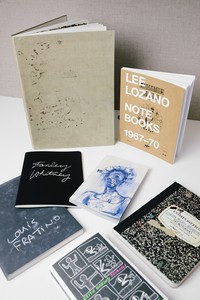
Megan N. Liberty explores artists’ engagement with notebooks and diaries, thinking through the various meanings that arise when these private ledgers become public.
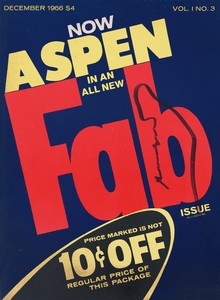
Gwen Allen recounts her discovery of cutting-edge artists’ magazines from the 1960s and 1970s and explores the roots and implications of these singular publications.
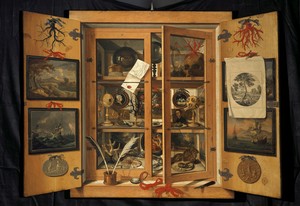
Sydney Stutterheim meditates on the power and possibilities of small-format artworks throughout time.